
Starbucks Korea’s “Tank Day” Sparks Global Outrage
When a Local Scandal Goes Global
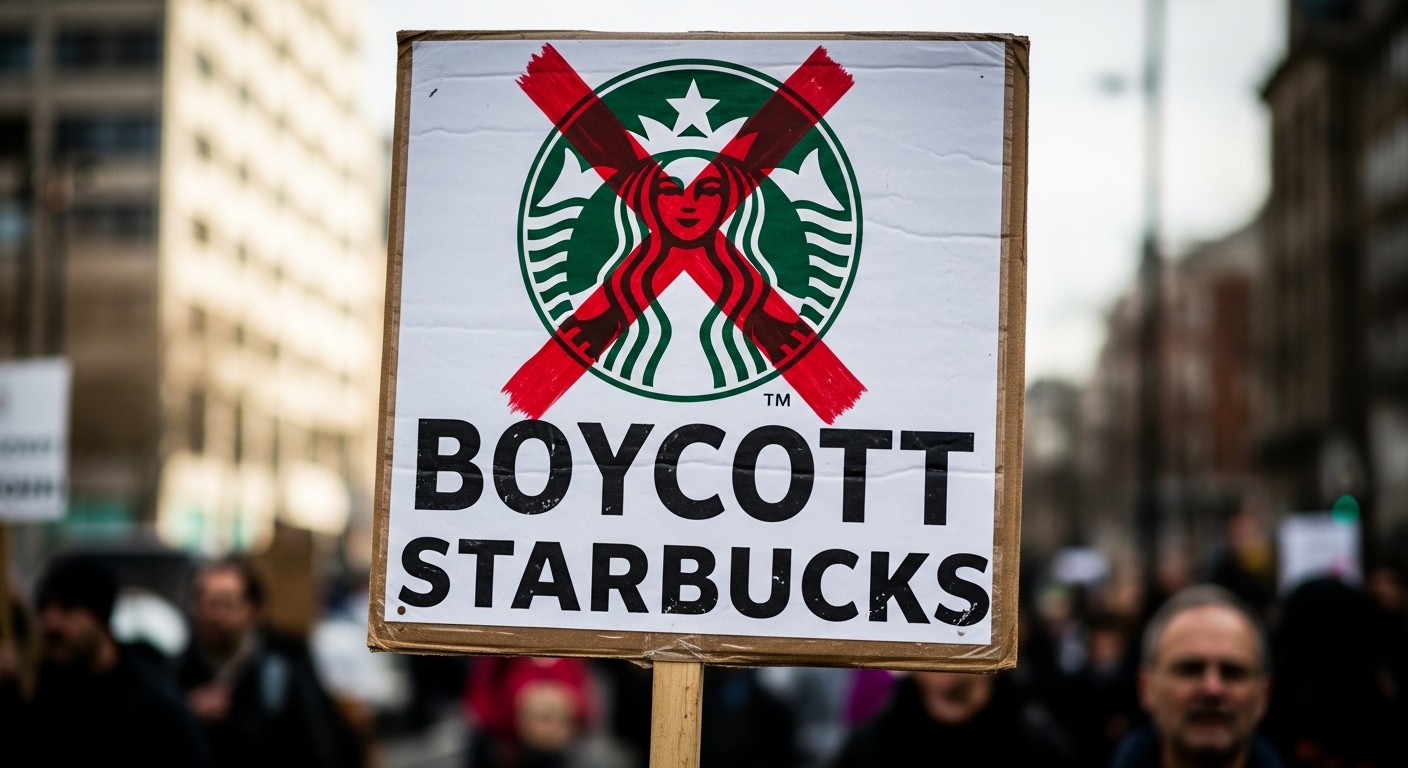
What started as a domestic marketing misfire in Korea has now become an international brand crisis for Starbucks. The “Tank Day” promotion, tied to the anniversary of the 1980 Gwangju Uprising, triggered massive backlash at home — but now, overseas social media users are joining the outrage. On platforms like Reddit, Instagram and X, people from around the world are reacting with shock, drawing comparisons to tragedies in their own countries. This is no longer just a Korean issue. It’s a global conversation about cultural sensitivity and corporate responsibility.
한국 내에서 시작된 마케팅 실수는 이제 스타벅스에게 국제적인 브랜드 위기로 번지고 있습니다. 1980년 광주 민주화운동 기념일과 연결된 ‘탱크 데이’ 프로모션은 국내에서 큰 반발을 불러일으켰지만, 이제 해외 SNS 사용자들도 분노에 동참하고 있습니다. 레딧, 인스타그램, X 같은 플랫폼에서는 전 세계 사람들이 충격을 표현하며 자국의 비극들과 비교하고 있습니다. 이 문제는 더 이상 한국만의 문제가 아니라 문화적 감수성과 기업의 책임에 대한 글로벌 대화로 확대되고 있습니다.

Why Foreign Users Are So Upset
Many international commenters tried to help non-Koreans understand why this campaign was so offensive by using familiar historical references. One user wrote: “Imagine if American Starbucks launched a ‘9/11 Airplane Day’ promo.” Another sarcastically suggested a “Gas Day” referencing the Holocaust. These analogies show how deeply the campaign missed the mark. For many foreigners, it wasn’t just a mistake — it felt like a deliberate insult to collective memory. As one Redditor put it: “If you’re a Korean adult, this can’t be a coincidence.”
많은 해외 이용자들은 이 캠페인이 왜 그렇게 모욕적으로 받아들여졌는지 설명하기 위해 자신들의 역사적 참사를 예시로 들었습니다. 한 이용자는 “미국 스타벅스가 ‘9·11 항공기 데이’ 프로모션을 한다고 상상해보라”고 말했고, 또 다른 이용자는 홀로코스트를 풍자하는 식으로 “가스 데이”라는 가상의 캠페인을 언급했습니다. 이러한 유추는 이번 마케팅이 얼마나 큰 오점을 남겼는지를 보여줍니다. 많은 외국인들에게 이것은 단순한 실수가 아니라 집단 기억에 대한 의도적인 도전처럼 느껴졌습니다. 한 레딧 이용자가 말했듯이, “한국 성인이라면 이건 우연이 아닐 수밖에 없습니다.”
Calls for Seattle HQ to Step In
The anger is no longer directed only at Starbucks Korea — it’s now aimed squarely at Starbucks headquarters in Seattle and its Korean partner, Shinsegae Group. Comments like “Starbucks HQ, please cut ties with Shinsegae” or “Hold them accountable” are spreading fast. People are questioning how much oversight the global brand actually has over its licensed partners. If such a tone-deaf campaign could happen under the Starbucks name, what does that say about the company’s values?
분노의 대상은 이제 스타벅스 코리아를 넘어 시애틀 본사와 파트너인 신세계그룹으로까지 확대되고 있습니다. “스타벅스 본사, 제발 신세계와 계약을 끊어라”, “책임을 물어야 한다”는 댓글이 빠르게 퍼지고 있습니다. 사람들은 글로벌 브랜드가 자사의 라이선스 파트너를 얼마나 관리하고 있는지에 대해 의문을 제기하고 있습니다. 스타벅스라는 이름 아래에서 이런 무감각한 캠페인이 가능했다면, 과연 그 회사의 가치는 무엇인지 묻지 않을 수 없습니다.

Boycotts and Solidarity Across Borders
Some overseas users aren’t just commenting — they’re taking action. “I will boycott Starbucks in solidarity with Koreans,” wrote one supporter. That kind of global empathy is rare, and it shows how powerfully this incident resonated beyond borders. Cultural trauma, when disrespected, creates universal emotional reactions. Like in “Animal Farm,” when authority ignores history, the people remember — and they speak up.
일부 해외 이용자들은 단순히 댓글을 다는 것을 넘어서 행동으로 옮기고 있습니다. “한국인들과 연대하여 스타벅스를 불매하겠다”는 지지자의 목소리도 등장했습니다. 이런 글로벌 공감은 드문 일이며, 이번 사건이 국경을 넘어 얼마나 강력하게 공감을 불러일으켰는지를 보여줍니다. 역사적 트라우마를 무시할 때 생기는 감정적 반응은 전 세계적으로 공통적입니다. “Animal Farm”처럼 권력이 역사를 외면하면, 사람들은 그것을 기억하고 목소리를 냅니다.
What This Means for Global Brands
This controversy is a wake-up call. In today’s hyper-connected world, local mistakes don’t stay local. A poorly reviewed product might get ignored, but a culturally insensitive campaign can ignite global fury in hours. For global brands, understanding local history isn’t optional — it’s essential. Starbucks may survive this storm, but the lesson is clear: if you want to operate worldwide, you better respect the world’s wounds too.
이번 논란은 글로벌 브랜드에게 경종을 울리는 사건입니다. 오늘날 초연결 사회에서는 지역적 실수가 지역에 머무르지 않습니다. 제품 리뷰가 나빠서는 무시당할 수 있지만, 문화적으로 무감각한 캠페인은 몇 시간 만에 전 세계적 분노를 불러일으킬 수 있습니다. 글로벌 브랜드에게 현지 역사와 문화를 이해하는 것은 선택이 아니라 필수입니다. 스타벅스는 이번 위기를 넘길 수 있겠지만 교훈은 분명합니다. 전 세계에서 사업을 하고 싶다면, 전 세계의 아픔도 존중해야 합니다.