
Why So-Called Consensual Fights Are Raising Alarm
A New Name for an Old Problem
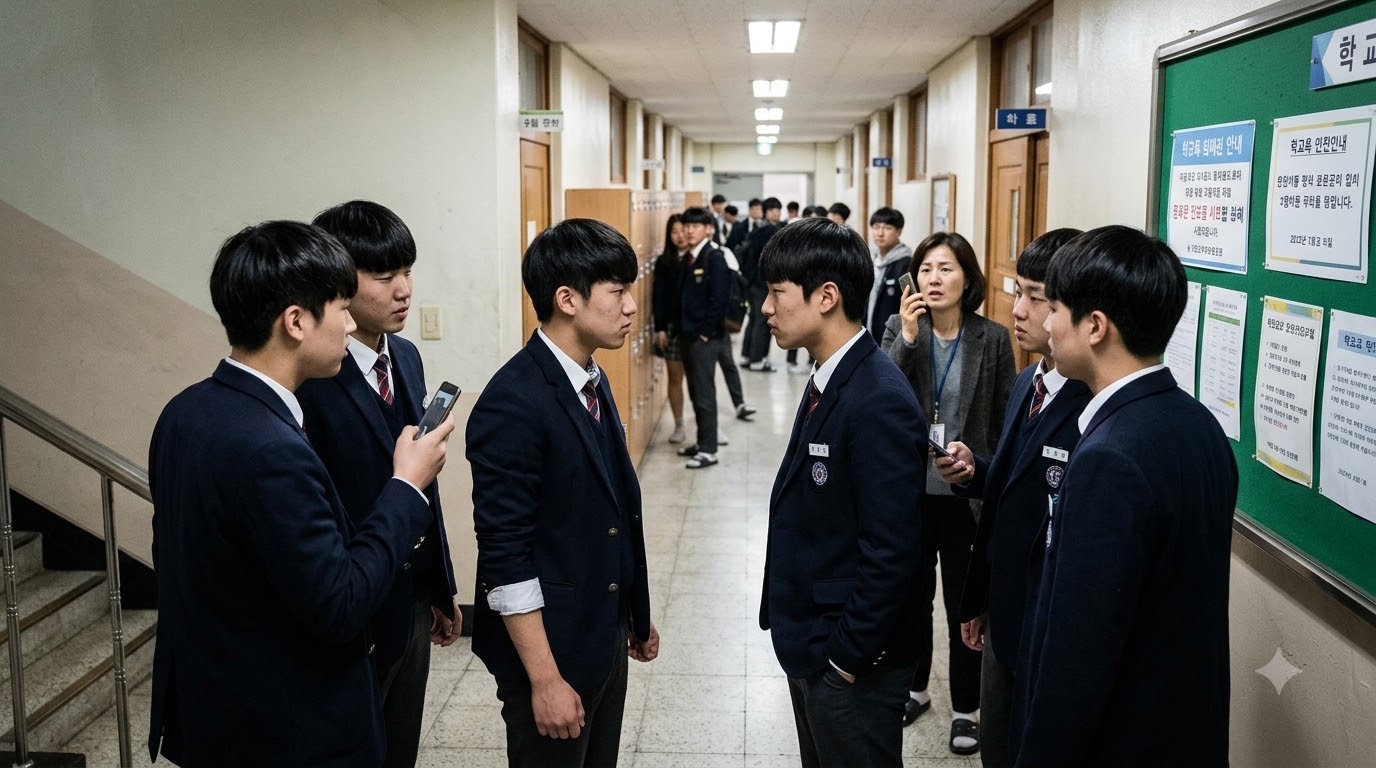
A troubling trend called “Yatcha Rule” is spreading in Korean schools, and education authorities are taking it seriously. Inspired by a popular YouTube fighting format, students are copying the idea of “agreed” fights under supposed rules. But what may look to some like a meme or game is being recognized by schools and experts for what it really is: a dangerous new form of school violence.
“야차 룰”이라는 이름의 우려스러운 현상이 한국 학교 현장에서 확산되고 있으며, 교육 당국도 이를 심각하게 보고 있습니다. 인기 있는 유튜브 격투 형식을 따라 학생들이 서로 ‘합의된’ 싸움을 규칙처럼 흉내 내고 있는 것입니다. 일부에게는 밈이나 놀이처럼 보일 수 있지만, 학교와 전문가들은 이를 분명한 새로운 형태의 학교폭력으로 인식하고 있습니다.

Why “Consent” Does Not Make It Okay
The core misunderstanding behind “Yatcha Rule” is the belief that if both students agree to fight, punishment or responsibility somehow disappears. That idea is exactly what education authorities are pushing back against. Violence does not become acceptable just because someone says yes, especially in school settings where pressure, fear and peer influence are strong. What is called “consent” can easily hide coercion.
“야차 룰”의 가장 큰 오해는 양쪽 학생이 싸움에 동의했으면 책임이나 처벌이 사라진다고 믿는 데 있습니다. 교육 당국이 가장 강하게 반박하는 부분도 바로 이것입니다. 특히 학교처럼 압박과 두려움, 또래의 영향력이 강한 공간에서는 누군가가 동의했다는 이유만으로 폭력이 정당화될 수 없습니다. 겉으로는 ‘동의’처럼 보여도 실제로는 강요나 위축이 숨어 있을 가능성이 매우 큽니다.
From Meme Culture to Real Harm
Teachers say many students initially treat “Yatcha Rule” like an online joke or trend. But even when it starts as a meme, the mindset it encourages is serious. If students begin to believe that violence is okay as long as rules are set in advance, the threshold for real harm becomes lower. Cases have already emerged where students were pressured into fights, including one involving an elementary school child reportedly forced into a filmed assault.
교사들은 많은 학생들이 처음에는 “야차 룰”을 인터넷 유행이나 농담처럼 받아들인다고 말합니다. 하지만 밈으로 시작되더라도 그 안에 담긴 인식은 매우 심각합니다. 사전에 규칙만 정하면 폭력도 괜찮다고 믿기 시작하면, 실제 위험한 행동으로 넘어가는 문턱은 훨씬 낮아집니다. 이미 학생들이 싸움에 강제로 끌려 들어간 사례들이 보고되고 있으며, 초등학생이 촬영까지 동반된 폭행에 억지로 참여한 사건도 있었습니다.

The Video Problem Makes It Worse
What makes this trend even more dangerous is the role of recording and sharing. Fights are sometimes filmed in ways that imitate YouTube combat content, and bystanders may treat the event like entertainment instead of violence. That creates a second layer of harm. Even students who do not throw punches can become part of the problem by watching, encouraging or distributing videos. In the digital age, school violence is no longer limited to the moment it happens.
이 현상을 더 위험하게 만드는 요소는 영상 촬영과 유포입니다. 일부 싸움은 유튜브 격투 콘텐츠를 흉내 내듯 촬영되며, 주변 학생들은 폭력이 아니라 하나의 볼거리처럼 소비하기도 합니다. 이는 2차 피해를 낳습니다. 직접 때리지 않더라도 구경하거나 부추기고, 영상을 퍼뜨리는 학생들도 문제의 일부가 될 수 있습니다. 디지털 시대의 학교폭력은 이제 사건이 일어나는 순간에만 머물지 않습니다.
Why Schools Need a Stronger Response
Experts say comprehensive prevention is now essential. That means not only warning students, but also educating them about coercion, group pressure, criminal liability and the harm of secondary victimization. Like in “Lord of the Flies,” once violence is reframed as a game, the social rules protecting others begin to collapse. Korean schools now face a difficult but urgent task: stopping that collapse before it spreads further.
전문가들은 이제 보다 종합적인 예방이 반드시 필요하다고 말합니다. 단순히 하지 말라고 경고하는 것을 넘어, 강요와 집단 압박, 형사 책임, 2차 가해의 위험성까지 함께 교육해야 한다는 것입니다. “Lord of the Flies”처럼 폭력이 놀이처럼 재해석되는 순간, 서로를 지켜주는 사회적 규범은 빠르게 무너지기 시작합니다. 지금 한국 학교가 마주한 과제는 바로 그 붕괴가 더 퍼지기 전에 멈추게 하는 일입니다.