
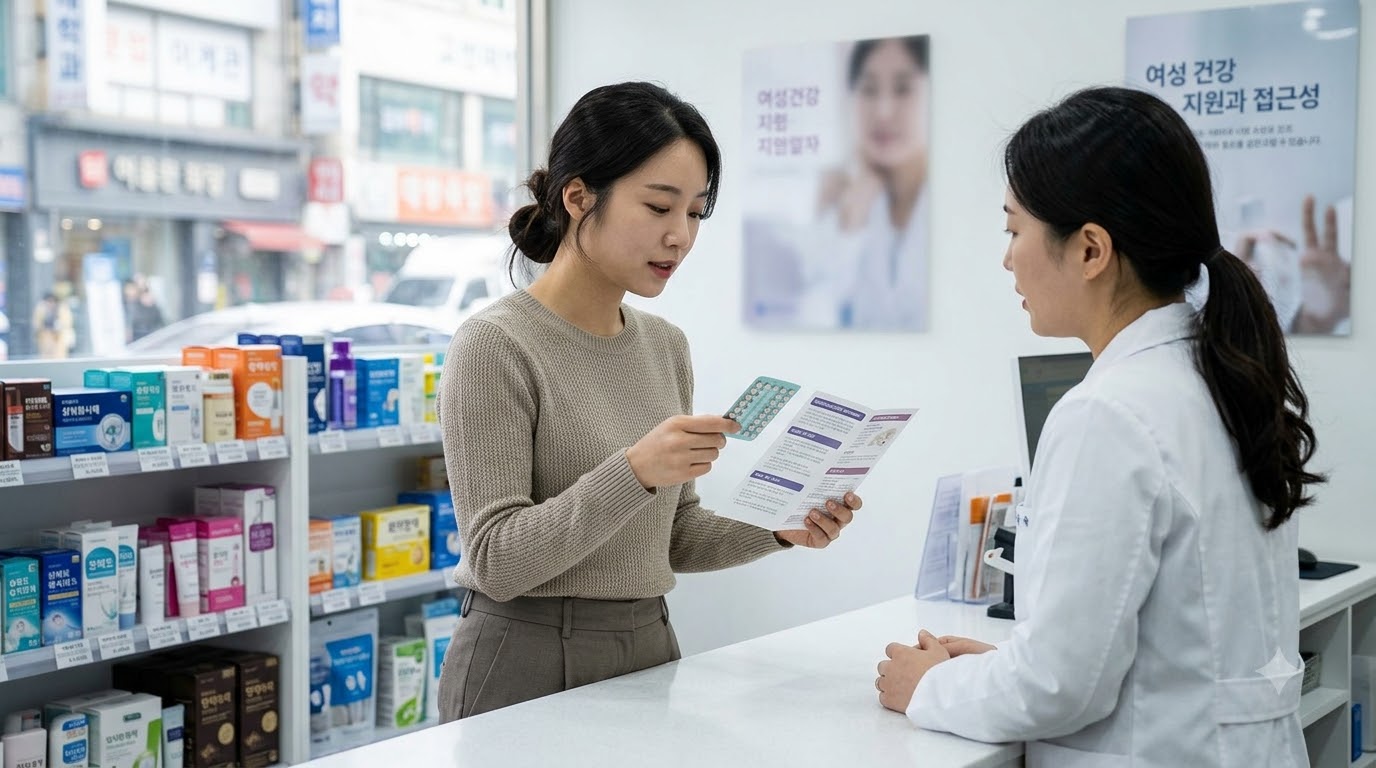
Korean Women Are Taking More Control of Contraception — But One Big Gap Still Remains
A Quiet but Important Shift
A new study suggests that women in South Korea are gaining more control over contraception, and that matters more than it may seem at first glance. More women are not only using contraception consistently, but also saying they have the main voice in deciding whether it is used at all. In a society where sexual health conversations have often been limited or awkward, that is a meaningful sign of change.
최근 연구에 따르면 한국 여성들이 피임에 대해 더 큰 결정권을 가지기 시작하고 있으며, 이는 생각보다 훨씬 중요한 변화입니다. 더 많은 여성들이 피임을 꾸준히 실천할 뿐 아니라, 피임 여부를 결정할 때 자신이 주된 역할을 한다고 답하고 있습니다. 성 건강에 대한 대화가 오랫동안 제한적이거나 어색하게 여겨졌던 사회에서 이는 분명 의미 있는 변화라고 볼 수 있습니다.

More Consistent Use Across Younger Age Groups
The clearest increase appeared among younger women. Among women aged 19 to 39, 62 percent said they always used contraception during sex over the previous year, a noticeable jump from 52.2 percent in 2022. The figure also rose strongly among teenagers aged 13 to 18. These numbers suggest that younger generations are becoming more aware of reproductive health and are treating contraception as a more regular part of sexual behavior.
가장 뚜렷한 변화는 젊은 연령대에서 나타났습니다. 19세에서 39세 사이 여성 가운데 지난 1년 동안 성관계 시 항상 피임을 했다고 답한 비율은 62퍼센트로, 2022년의 52.2퍼센트보다 뚜렷하게 상승했습니다. 13세에서 18세 사이 청소년 여성에서도 같은 흐름이 확인되었습니다. 이는 젊은 세대가 생식 건강에 대해 더 높은 인식을 가지기 시작했고, 피임을 성생활의 더 일상적인 일부로 받아들이고 있음을 보여줍니다.
Women Are Speaking Up More in Decision-Making
Another important point is decision-making power. More women said they were the primary person deciding whether contraception would be used, even though many still reported making that decision jointly with a partner. The increase was visible not only among younger women but also among women aged 40 to 64. That suggests a wider cultural change: contraception is no longer seen as something simply discussed around women, but increasingly something decided by women themselves.
또 하나 중요한 점은 의사결정 권한입니다. 여전히 많은 여성들이 파트너와 함께 피임 여부를 결정한다고 답했지만, 스스로가 주요 결정권자라고 말한 비율도 분명히 높아졌습니다. 이런 변화는 젊은 여성뿐 아니라 40세에서 64세 사이 여성에게서도 나타났습니다. 이는 더 넓은 문화적 전환을 의미합니다. 피임이 더 이상 여성에 대해 논의되는 주제가 아니라, 여성 스스로 결정하는 문제로 점점 바뀌고 있다는 것입니다.

The Real Problem: Not All Contraception Is Equally Effective
Still, the study also found an important limitation. Even though more women said they always practiced contraception, the use of modern methods with proven effectiveness remained below 40 percent across age groups. That means consistency is improving, but effectiveness is not keeping pace. In other words, doing something regularly does not guarantee that the method being used offers the best protection.
하지만 연구는 동시에 중요한 한계도 보여주었습니다. 항상 피임을 한다고 답한 여성은 늘었지만, 효과가 검증된 현대적 피임법의 사용률은 모든 연령대에서 40퍼센트 아래에 머물렀습니다. 즉, 실천의 일관성은 좋아지고 있지만 피임의 질은 그 속도를 따라가지 못하고 있다는 뜻입니다. 다시 말해, 무엇인가를 꾸준히 하고 있다는 사실이 곧 충분히 효과적인 방법을 쓰고 있다는 의미는 아닙니다.
Why the Conversation Must Grow Wider
The researchers argue that contraception in Korea is still often understood too narrowly, mainly as a way to prevent pregnancy. That helps explain why use is especially low among middle-aged and older women. But contraception is also about preventing sexually transmitted infections and supporting broader sexual health. Like in “A Room of One’s Own,” autonomy matters most when it comes with knowledge, access and the right to choose well.
연구진은 한국에서 피임이 여전히 너무 좁게 이해되고 있다고 지적합니다. 주로 임신을 막는 수단으로만 여겨지고 있기 때문에, 중장년층 여성에서 사용률이 특히 낮은 현상도 설명할 수 있다는 것입니다. 그러나 피임은 임신 예방뿐 아니라 성매개감염 예방과 더 넓은 성 건강 관리와도 연결됩니다. “A Room of One’s Own”처럼 자율성은 지식과 접근성, 그리고 더 나은 선택을 할 수 있는 권리와 함께할 때 가장 큰 의미를 가집니다.