
Why the Debate Is Turning So Bitter
A Question That Splits Animal Lovers
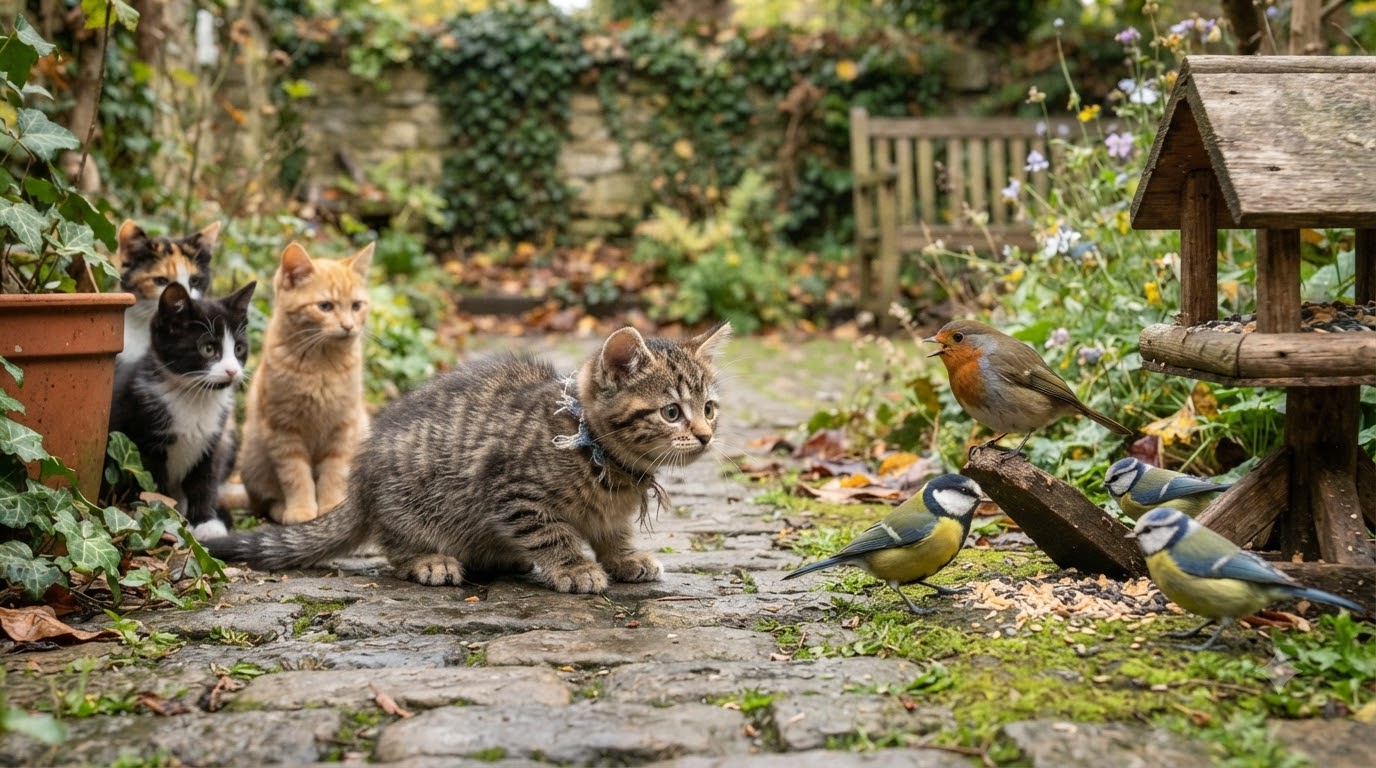
South Korea is facing a deeply emotional and increasingly divisive question: should stray cats be culled to protect wild birds? The debate exploded after birdwatcher and YouTuber “Kim Eo-jin” argued that stray cat populations, especially in places like Mara-do, have grown beyond control and are threatening endangered and migratory birds. His comments quickly touched one of the most sensitive fault lines in Korea’s animal welfare conversation.
한국 사회는 지금 매우 감정적이고 점점 더 첨예해지는 질문과 마주하고 있습니다. 야생 조류를 보호하기 위해 길고양이를 도태시켜야 하는가 하는 문제입니다. 이 논쟁은 조류 관찰가이자 유튜버인 “김어진”이 특히 마라도 같은 지역에서 길고양이 개체 수가 통제 불가능한 수준으로 늘었고, 멸종위기 조류와 철새를 위협하고 있다고 주장하면서 크게 확산되었습니다. 그의 발언은 한국의 동물복지 논의에서 가장 민감한 경계선을 건드린 셈이 되었습니다.

Why Some See Cats as the Immediate Threat
Supporters of stronger stray cat control argue that cats are effective predators with few natural checks, especially in urban or island ecosystems. They say regular feeding by humans helps cats survive longer and reproduce more, creating artificially dense predator populations. “Kim Eo-jin” is especially critical of trap-neuter-release programs, arguing that without extremely high sterilization rates in a short period, the policy cannot reduce populations in any meaningful way.
보다 강한 길고양이 관리가 필요하다고 보는 사람들은 고양이가 특히 도시와 섬 생태계에서 매우 효율적인 포식자라고 주장합니다. 천적은 거의 없고, 사람들의 지속적인 먹이 제공으로 생존 기간이 늘어나며 번식도 활발해져 비정상적으로 밀집된 포식자 집단이 형성된다는 것입니다. “김어진”은 특히 TNR, 즉 포획·중성화·방사 정책에 비판적이며, 짧은 시간 안에 매우 높은 중성화율을 달성하지 않는 이상 이 정책으로는 개체 수를 실질적으로 줄일 수 없다고 보고 있습니다.
Others Say Humans Are the Bigger Problem
But many environmentalists and veterinarians strongly disagree with making cats the central villain. They argue that the biggest threat to birds is not stray cats but humans: habitat destruction, urban development and collisions with glass buildings. Activist “Choi Byung-sung” and veterinarian “Na Eung-sik” both stress that blaming cats too heavily can distract from far larger ecological damage caused by people. In their view, the debate risks becoming emotionally satisfying but scientifically shallow.
그러나 많은 환경운동가와 수의사들은 고양이를 이 문제의 중심 악역으로 만드는 것에 강하게 반대합니다. 이들은 조류에게 가장 큰 위협은 길고양이가 아니라 인간이라고 주장합니다. 서식지 파괴와 도시 개발, 유리 건물과의 충돌 같은 요소가 훨씬 더 큰 피해를 만든다는 것입니다. 활동가 “최병성”과 수의사 “나응식” 모두 고양이에 대한 과도한 비난이 결국 인간이 만든 훨씬 더 큰 생태적 파괴를 가리는 결과로 이어질 수 있다고 지적합니다. 그들의 시각에서 이번 논쟁은 감정적으로는 강렬할 수 있지만, 과학적으로는 피상적일 위험이 있습니다.

TNR, Feeding and the Need for Real Data
Another key issue is that Korea still lacks precise nationwide data on stray cat populations. That makes any policy debate harder. Critics of culling say the answer is not emotional polarization, but better science: targeted TNR in clearly defined areas, proper feeding station management and sanitation controls. Without strong data, both absolute pro-cat and anti-cat positions can become more ideological than practical.
또 다른 핵심 문제는 한국이 아직 길고양이 개체 수에 대한 정확한 전국 단위 데이터를 가지고 있지 않다는 점입니다. 이 때문에 어떤 정책 논의도 훨씬 더 어려워집니다. 도태 정책에 반대하는 쪽은 해법이 감정적 양극화가 아니라 더 나은 과학에 있다고 말합니다. 즉, 구역을 정한 집중적 TNR, 먹이 급여소의 적절한 관리, 위생 통제 같은 방식이 필요하다는 것입니다. 충분한 데이터 없이 길고양이를 무조건 보호하거나 무조건 배제하는 입장은 실용성보다 이념에 가까워질 수 있습니다.
A Hard Debate Without Easy Heroes
In the end, this is not a simple story of birds versus cats. It is a story about what humans choose to value, control and ignore in ecosystems they have already reshaped. Like in “The Old Man and the Sea,” the conflict is not only with the visible creature in front of us, but with the deeper conditions surrounding it. Korea’s challenge now is not to find an easy villain, but to build a policy grounded in evidence, compassion and ecological honesty.
결국 이 문제는 단순한 새 대 고양이의 대결이 아닙니다. 이미 인간이 크게 바꾸어 놓은 생태계 안에서 무엇을 더 중요하게 여기고, 무엇을 통제하려 하며, 무엇을 외면해 왔는가에 대한 이야기이기도 합니다. “The Old Man and the Sea”처럼 진짜 갈등은 눈앞의 동물만이 아니라 그것을 둘러싼 더 깊은 조건들과도 연결되어 있습니다. 지금 한국이 해야 할 일은 쉬운 악역을 찾는 것이 아니라, 증거와 연민, 그리고 생태적 정직함 위에 정책을 세우는 일일 것입니다.