
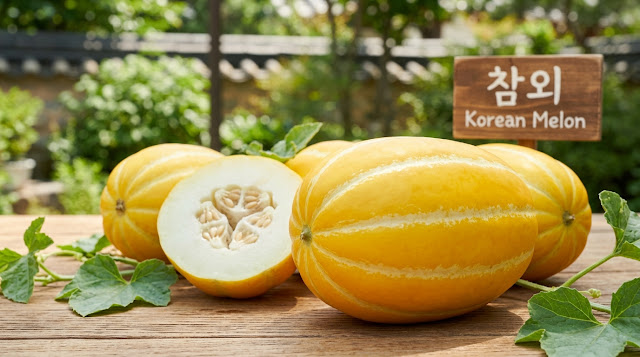
Myth or Superfood? What You Really Need to Know
Why Korean Melon Is Trending Again
Korean melon, known as chamoe, is having a global moment. From Japanese supermarkets to K-culture expos overseas, this bright yellow summer fruit is gaining attention for its sweetness, size and affordability. Compared to larger and more expensive melons sold abroad, Korean melon feels perfectly portioned for one person. Add in the popularity of Korean food on social media, and chamoe has officially become a must-try seasonal favorite.
참외는 요즘 국내뿐 아니라 해외에서도 다시 주목받고 있습니다. 일본 슈퍼마켓은 물론이고 K-컬처 행사에서도 등장하며, 달콤한 맛과 적당한 크기, 합리적인 가격 덕분에 인기를 얻고 있습니다. 해외에서 판매되는 크고 비싼 멜론과 비교하면 참외는 1인 가구에 적합한 크기라는 점도 매력입니다. 여기에 SNS를 통한 한국 음식 열풍까지 더해지면서, 참외는 여름철 대표 과일로 자리 잡고 있습니다.

The Seed Myth Explained
Even though Korean melon is popular, one question keeps coming back: Should you eat the seeds? Many people grew up hearing that melon seeds cause diarrhea or stomachaches. However, Korea’s food safety authorities clearly state that this belief is a myth. The seeds are not harmful. In fact, they contain folate, vitamin C and dietary fiber — nutrients that support overall health.
참외가 인기를 끌고 있음에도 여전히 자주 나오는 질문이 있습니다. 참외 씨를 먹어도 괜찮을까요? 많은 분들이 어릴 때부터 참외 씨를 먹으면 배탈이 난다는 이야기를 들어왔습니다. 그러나 식품안전 당국에 따르면 이는 근거 없는 속설입니다. 참외 씨 자체는 해롭지 않으며, 엽산과 비타민 C, 식이섬유 같은 영양소도 포함하고 있습니다.
Why Some People Feel Discomfort
If the seeds are safe, why do some people experience stomach discomfort? The answer lies in the fruit itself. Chamoe is high in water content and traditionally considered a “cooling” food in Korean herbal thought. For people with sensitive digestion or those who react to cold foods, overeating Korean melon can occasionally cause mild discomfort. The seeds themselves are not the main cause.
그렇다면 왜 일부 사람들은 참외를 먹고 속이 불편해질까요? 이유는 씨앗이 아니라 과일 자체에 있습니다. 참외는 수분 함량이 높고, 한의학적으로는 몸을 차게 하는 음식으로 분류됩니다. 위장이 약하거나 찬 음식에 민감한 분들은 참외를 많이 먹었을 때 일시적인 복부 불편감을 느낄 수 있습니다. 씨앗 자체가 직접적인 원인은 아닙니다.

The One Exception: When It’s Overripe
There is one important exception to remember. If the melon is overripe or starting to spoil, the seed area should be removed. The soft white flesh surrounding the seeds contains more moisture and tends to spoil faster than the firmer outer flesh. If it smells sour or tastes off, discard that part — or the entire fruit if necessary.
다만 한 가지 예외는 있습니다. 참외가 지나치게 익었거나 상하기 시작한 경우에는 씨 부분을 제거하는 것이 좋습니다. 씨 주변의 부드러운 흰 과육은 수분이 많아 먼저 변질되기 쉽습니다. 신맛이 나거나 냄새가 이상하다면 해당 부분을 제거하시고, 상태가 심하면 전체를 버리는 것이 안전합니다.
Smart Buying and Storage Tips
To enjoy Korean melon at its best, choose fruits with bright yellow skin and fresh stems. Store them in the refrigerator at 5 to 7 degrees Celsius. A whole, firm melon can last about five to seven days. Once cut, keep it in an airtight container and consume within two to three days. Like in “The Secret Garden,” sometimes what seems mysterious turns out to be simple once you understand it.
참외를 맛있고 안전하게 즐기기 위해서는 껍질이 선명한 노란색이고 꼭지가 신선한 것을 고르시는 것이 좋습니다. 보관은 5도에서 7도 사이의 냉장 온도가 적당합니다. 단단한 통참외는 약 57일 보관 가능하며, 자른 참외는 밀폐용기에 담아 23일 이내에 드시는 것이 좋습니다. “The Secret Garden”처럼 신비롭게 느껴졌던 문제도 정확히 알면 의외로 단순합니다.
Final Verdict: Seeds Are Safe
So, can you eat Korean melon seeds? Yes — unless the fruit is spoiled. The real key is moderation and proper storage. Summer fruits like chamoe are meant to refresh and nourish, not cause fear. This season, enjoy them with confidence and let the myths melt away like ice under the sun.
결론적으로 참외 씨는 상한 과일이 아닌 이상 안전하게 드실 수 있습니다. 중요한 것은 적당량 섭취와 올바른 보관입니다. 여름 과일인 참외는 시원함과 영양을 위해 먹는 것이지 두려움의 대상이 아닙니다. 올여름에는 속설에 흔들리지 않고, 안심하고 즐기시길 바랍니다.