
The Reality Behind K-Drama Stereotypes
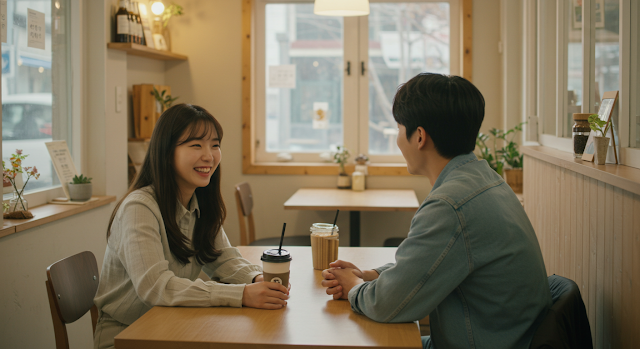
Many foreigners expect Koreans to be outgoing and friendly, influenced by the lively social scenes in K-dramas. However, real-life experiences often differ. For example, Ava Miller, an Australian visitor, found that locals in Seoul were reserved and seldom engaged in casual conversation, even in social spaces like hostels or cafes. This contrast between media and reality surprises many visitors.
많은 외국인들은 K-드라마에서 보이는 활발하고 친근한 한국인의 이미지를 기대합니다. 그러나 실제로는 다릅니다. 예를 들어, 호주에서 온 아바 밀러는 서울에서 현지인들이 조용하고, 심지어 호스텔이나 카페 같은 공간에서도 대화를 거의 시도하지 않는다는 점을 경험했습니다. 미디어와 현실의 차이는 많은 방문객들에게 놀라움을 줍니다.
.jpg "Why Koreans Avoid Small Talk with Strangers")
Everyday Life: Silence by Choice
In Korea, avoiding small talk is not unusual. Some businesses even cater to this preference: hair salon apps let customers request a “no talking” service, and taxi apps offer a “quiet ride” option. For many Koreans, short, purposeful communication is preferred over idle chat with strangers.
한국에서는 스몰토크를 피하는 것이 흔한 일입니다. 일부 업체들은 이런 선호를 반영해 미용실 예약 앱에서 ‘대화하지 않기’ 옵션을 제공하고, 택시 앱에서도 ‘조용한 탑승’을 선택할 수 있습니다. 많은 한국인들은 목적 없는 대화보다는 간단하고 필요한 소통을 선호합니다.
.jpg "Why Koreans Avoid Small Talk with Strangers")
Cultural and Personal Reasons
Several factors explain this phenomenon. Many Koreans feel that talking to strangers is pointless, especially if there’s no chance of building a lasting relationship. Some find it stressful or even intrusive when strangers ask personal questions, such as about family or future plans. For office workers, who must maintain politeness at work, small talk outside the workplace feels burdensome.
이 현상에는 여러 이유가 있습니다. 많은 한국인들은 낯선 이와의 대화가 특별한 인연으로 이어지지 않는다면 의미 없다고 느낍니다. 어떤 이들은 가족이나 미래 계획 등 사적인 질문을 받으면 부담스럽거나 불쾌하다고 말합니다. 직장인들은 업무 중 예의를 지켜야 하기에, 일상에서까지 스몰토크를 하는 것이 피곤하다고 느낍니다.
.jpg "Why Koreans Avoid Small Talk with Strangers")
Historical and Generational Influences
Experts point to Korea’s communal past, where people mostly interacted within tight-knit groups, making strangers less relevant in daily life. Although industrialization and urbanization have changed society, these attitudes persist. Additionally, younger generations, accustomed to digital communication, may feel anxious about unpredictable, face-to-face conversations and prefer the control offered by online interactions.
전문가들은 한국의 공동체 중심 문화를 원인으로 꼽습니다. 과거에는 가까운 사람들과만 교류했기에 낯선 사람과의 대화가 익숙하지 않았습니다. 산업화와 도시화로 사회가 변했지만 이런 태도는 남아 있습니다. 또한, 디지털 환경에 익숙한 젊은 세대는 예측할 수 없는 대면 대화에 불안감을 느끼고, 온라인에서 대화를 더 쉽게 통제할 수 있기 때문에 스몰토크를 꺼리는 경향이 있습니다.
.jpg "Why Koreans Avoid Small Talk with Strangers")