
A New Trust Crisis in Korea
When “Before and After” Is No Longer Real
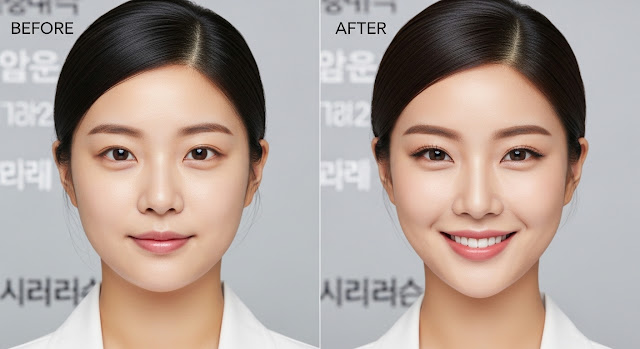
Plastic surgery marketing in Korea has always relied heavily on visual proof. Before-and-after photos were the ultimate selling point. But now, something bigger is shaking consumer trust. Clinics and beauty businesses are increasingly using fully AI-generated images for advertising. Not just retouched. Not just filtered. Completely artificial. And many consumers don’t even realize it.
한국의 성형외과 마케팅은 오랫동안 ‘전후 사진’이라는 시각적 증거에 크게 의존해 왔습니다. 하지만 이제 소비자 신뢰를 흔드는 더 큰 변화가 나타나고 있습니다. 일부 병원과 뷰티 업계에서 광고용 이미지를 전부 AI로 생성하고 있기 때문입니다. 단순 보정이나 필터 수준이 아니라, 처음부터 끝까지 인공지능이 만든 이미지입니다. 그리고 많은 소비자들이 그 사실을 인지하지 못하고 있습니다.
.jpeg "AI-Generated Plastic Surgery Ads")
Why Consumers Are Feeling Confused
Office worker “Park Ji-yeon” described how she started doubting online reviews after discovering that some images and testimonials were fake. Her reaction reflects a broader issue: consumers are no longer sure what is real. In industries like cosmetic surgery and hair salons, visual results are everything. If those visuals are AI-generated but presented as real cases, it creates serious confusion and potentially harmful expectations.
직장인 “박지연”은 온라인 후기를 보다가 일부 이미지와 리뷰가 가짜라는 사실을 알고 혼란을 느꼈다고 말했습니다. 이는 많은 소비자들이 공감하는 지점입니다. 무엇이 진짜인지 구분하기 어려워졌기 때문입니다. 성형외과나 미용실처럼 결과 이미지가 핵심인 업종에서는 특히 문제가 큽니다. AI로 생성된 이미지를 실제 사례처럼 제시할 경우, 소비자에게 왜곡된 기대를 심어줄 수 있고 심각한 오해를 낳을 수 있습니다.
Cheap AI Ads, Big Ethical Questions
What makes this trend even more alarming is how accessible it has become. On freelance platforms, creators openly offer AI-generated promotional photos for as little as 10,000 to 30,000 won per image. That’s cheaper than organizing a real photoshoot. For small businesses under marketing pressure, the temptation is obvious. But when artificial images are passed off as real medical outcomes, the ethical line becomes dangerously thin.
이 현상이 더 우려되는 이유는 접근성이 매우 높아졌기 때문입니다. 프리랜서 플랫폼에서는 장당 1만 원에서 3만 원 수준으로 AI 광고 이미지를 제작해 주는 서비스가 쉽게 발견됩니다. 실제 모델을 섭외하고 촬영하는 것보다 훨씬 저렴합니다. 마케팅 비용 부담이 큰 소규모 업장 입장에서는 매력적인 선택지일 수 있습니다. 그러나 인공적으로 만든 이미지를 실제 의료 결과처럼 제시하는 순간, 윤리적 경계는 매우 위태로워집니다.

Government Steps In
The Korean Fair Trade Commission has recognized the growing problem. It recently announced plans to revise advertising guidelines, requiring businesses to disclose when AI-generated virtual figures are used. Ads featuring endorsements or recommendations from non-real characters may be classified as deceptive if not clearly labeled. This move suggests that regulators understand the potential harm of blurred digital authenticity.
한국 공정거래위원회도 이러한 문제를 인식하고 있습니다. 최근 광고 심사지침을 개정해 AI로 생성된 가상 인물이 등장하는 경우 이를 명확히 표시하도록 하는 방안을 추진하고 있습니다. 실제 경험이 없는 가상 캐릭터의 추천이나 후기 표현이 표시 없이 사용될 경우, 기만적 광고로 간주될 수 있습니다. 이는 디지털 진위가 흐려질 때 발생할 수 있는 피해를 규제 당국도 심각하게 보고 있다는 신호입니다.
Trust in the Age of AI
We are entering a marketing era where even faces can be fictional. The real challenge is not the technology itself, but transparency. AI can be a powerful creative tool. But when used without disclosure in industries tied to health and personal appearance, it risks eroding trust entirely. Like in “Black Mirror,” the line between reality and simulation is getting thinner. The question now is simple: can consumers still believe what they see?
이제 우리는 얼굴조차 허구일 수 있는 마케팅 시대에 들어섰습니다. 문제는 기술 자체가 아니라 투명성입니다. AI는 강력한 창작 도구가 될 수 있습니다. 그러나 건강과 외모처럼 민감한 분야에서 고지 없이 사용될 경우, 소비자 신뢰를 근본적으로 무너뜨릴 수 있습니다. “Black Mirror”가 그려낸 세계처럼 현실과 시뮬레이션의 경계가 점점 흐려지고 있습니다. 이제 남은 질문은 하나입니다. 우리는 과연 눈으로 본 것을 얼마나 믿을 수 있을까요?