
When Fitness Fever Blocks the City
The Rise of Running Culture
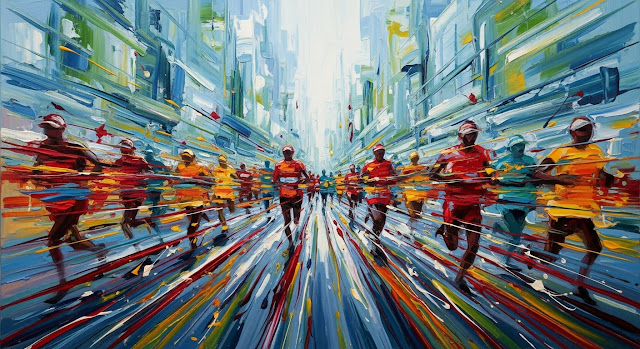
Seoul’s running revolution has transformed weekend mornings into a constant parade of marathons, but the city’s love affair with fitness is now colliding with daily life. Every weekend, major roads from Gwanghwamun and Jongno to Han River bridges shut down as tens of thousands lace up their sneakers.
서울의 러닝 열풍이 주말 아침을 마라톤 행렬로 가득 채우고 있지만, 이제 시민들의 일상생활과 충돌하고 있습니다. 매주 주말마다 광화문과 종로부터 한강 다리까지 주요 도로가 수만 명의 러너들로 인해 폐쇄되고 있습니다.
.jpg "Seoul's Marathon")
Traffic Chaos Every Weekend
Last Sunday alone, a major race drew 30,000 participants, requiring extensive traffic control that diverted buses and vehicles throughout the morning. The numbers tell the story: Korea hosted just 19 marathons in 2020, but that exploded to 254 events in 2024 with over 1 million participants – a thirteenfold increase in just four years.
지난 일요일에만 3만 명이 참가한 대규모 대회로 인해 오전 내내 버스와 차량이 우회해야 했습니다. 통계가 이 상황을 말해줍니다. 2020년 19개였던 마라톤 대회가 2024년에는 254개로 폭증했고, 참가자는 100만 명을 넘어섰습니다. 불과 4년 만에 13배나 증가한 것입니다.
Citizens Voice Frustration
“Kim Keon-ho”, 72, experienced the disruption firsthand. “It’s good to run for health, but it shouldn’t come at the expense of ordinary citizens,” he said, after being rerouted with little guidance. Elderly residents struggle with subway stairs when buses are canceled, while foreign tourists wait endlessly at bus stops with no information about road closures.
72세 “김건호” 씨는 이러한 불편을 직접 경험했습니다. “건강을 위해 달리는 것은 좋지만 일반 시민들을 희생시켜서는 안 됩니다”라고 그는 말했습니다. 버스가 운행 중단될 때 노인들은 지하철 계단을 오르내리는 데 어려움을 겪고, 외국인 관광객들은 도로 폐쇄 안내도 없이 버스 정류장에서 무한정 기다리고 있습니다.
.jpg "Seoul's Marathon")
Complaints Surge
Public frustration is measurable. Complaints about marathon traffic disruptions jumped from 15 in 2021 to 498 in 2023, with 461 filed in 2024. A cafe owner in Jongno, “Lee”, noted the impact on business: “Customers call to ask whether they can even reach the store.”
시민들의 불만은 수치로 확인됩니다. 마라톤 교통 혼잡 관련 민원이 2021년 15건에서 2023년 498건으로 급증했고, 2024년에는 461건이 접수됐습니다. 종로의 한 카페 사장 “이” 씨는 사업에 미치는 영향을 언급했습니다. “손님들이 가게에 도착할 수 있는지 전화로 물어봅니다.”
Private Profit, Public Cost
What’s controversial is who profits and who pays. Private organizers charge 70,000 to 100,000 won per participant and secure corporate sponsorships, generating substantial revenue. Yet police handle traffic control without reimbursement – 36,212 officers were deployed for 807 events over three years.
논란이 되는 것은 누가 이익을 보고 누가 비용을 부담하느냐입니다. 민간 주최자들은 참가자당 7만~10만 원을 받고 기업 후원도 받아 상당한 수익을 올립니다. 그러나 경찰이 비용 보전 없이 교통 통제를 담당합니다. 3년간 807개 대회에 36,212명의 경찰이 동원됐습니다.
.jpg "Seoul's Marathon")
Seoul Seeks Solutions
Mayor “Oh Se-hoon” is now reviewing measures including earlier start times and secured detour routes. Online communities track upcoming races so residents can avoid blocked areas, while some citizens call for limits on road closure frequency. The city must balance its fitness boom with everyday mobility needs.
“오세훈” 시장은 현재 조기 시작 시간과 우회 도로 확보를 포함한 대책을 검토하고 있습니다. 온라인 커뮤니티에서는 시민들이 차단 구역을 피할 수 있도록 다가오는 대회를 추적하고 있으며, 일부 시민들은 도로 폐쇄 빈도 제한을 요구하고 있습니다. 서울시는 피트니스 열풍과 일상적인 이동 필요성 사이에서 균형을 찾아야 합니다.