
Why More Koreans Want to Work Into Their 70s
Retirement No Longer Means Stopping Work
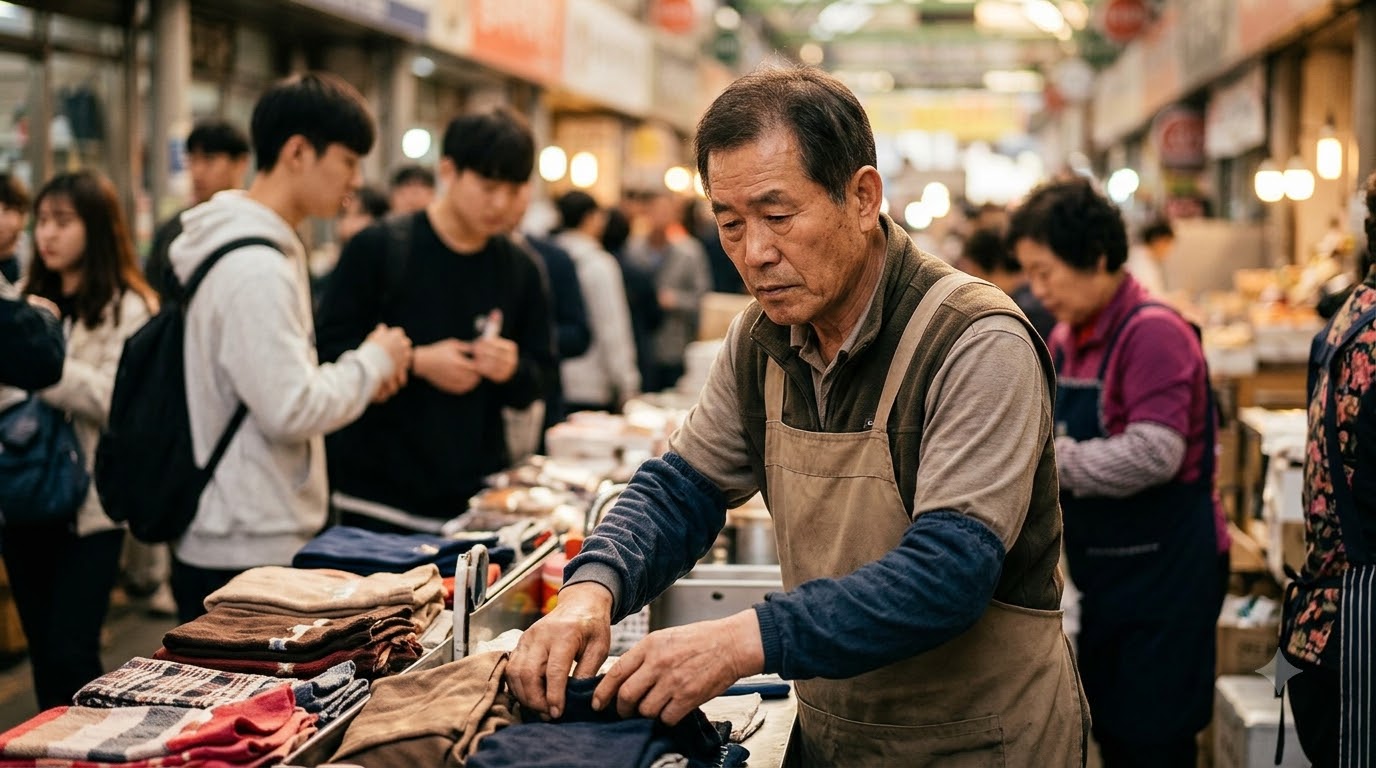
For many older Koreans, retirement no longer looks like a peaceful exit from working life. Instead, it often means figuring out how to keep earning. A growing number of people in their 60s and 70s say they want to continue working, and the reasons are both practical and deeply personal. Some need the income. Others say work gives structure, energy and social connection. In today’s Korea, staying employed later in life is becoming less unusual and more like a new normal.
많은 한국의 고령층에게 은퇴는 더 이상 일에서 완전히 물러나는 평온한 전환을 의미하지 않습니다. 오히려 계속 수입을 어떻게 만들 것인지 고민하는 시기가 되는 경우가 많습니다. 60대와 70대에도 계속 일하고 싶다고 답하는 사람들이 늘고 있으며, 그 이유는 매우 현실적이면서도 동시에 개인적입니다. 어떤 사람들은 생계 때문에 일해야 하고, 또 어떤 사람들은 일이 일상에 활력과 구조, 사회적 연결을 준다고 말합니다. 오늘날 한국에서는 늦은 나이까지 일하는 것이 특별한 일이 아니라 점점 새로운 일상이 되고 있습니다.

The Numbers Show a Big Shift
Recent government data makes the trend impossible to ignore. The number of employed Koreans aged 55 to 79 has now passed 10 million for the first time. That is a major milestone, and it reflects both population aging and a changing view of what later life looks like. Even more striking, nearly seven in 10 older Koreans say they want to keep working, and their desired retirement age has risen to 73.6, the highest level recorded since this question began being tracked.
최근 정부 통계는 이 흐름이 결코 작은 변화가 아니라는 점을 분명하게 보여줍니다. 55세에서 79세 사이 취업자 수는 처음으로 1천만 명을 넘어섰습니다. 이는 매우 큰 전환점이며, 인구 고령화와 함께 노년의 삶을 바라보는 시선 자체가 달라지고 있음을 반영합니다. 더욱 눈에 띄는 것은 고령층의 거의 70퍼센트가 계속 일하고 싶다고 답했다는 점이며, 희망 은퇴 연령은 73.6세로 관련 통계 작성 이후 가장 높았습니다.
Why So Many Feel They Have to Keep Working
Money is the biggest reason, and the numbers make the pressure easy to understand. Many people leave their main career in their early 50s, but pension payments often begin much later. That creates a long income gap. Even after pension benefits start, the average monthly amount remains far below what one person needs for basic living costs. As professor “Hur Jun-soo” explained, many older Koreans are not working late in life simply because they want to — they are doing so because they have little real choice.
가장 큰 이유는 결국 돈이며, 그 압박은 통계만 봐도 충분히 이해할 수 있습니다. 많은 사람들이 주된 직장에서 50대 초반에 은퇴하지만, 연금 수급은 훨씬 늦게 시작됩니다. 그 사이에는 긴 소득 공백이 생깁니다. 연금이 시작된 이후에도 평균 월 수령액은 1인 가구의 최소 생활비에 크게 못 미칩니다. “허준수” 교수의 설명처럼 많은 고령층은 늦은 나이까지 일하고 싶어서라기보다, 사실상 다른 선택지가 거의 없기 때문에 일하고 있는 것입니다.

But Work Is Also About Dignity and Routine
Still, economics is not the whole story. Some older adults genuinely want to remain active, useful and connected to other people. For them, work is not only survival. It is routine, identity and dignity. People like Park, the 62-year-old nurse, say staying home all day does not suit them. This shows that aging in Korea is becoming more complex. It is not just about decline or dependency. It is also about capability and continued participation.
그렇다고 해서 경제적 이유만이 전부는 아닙니다. 일부 고령층은 실제로 계속 활동적이고, 사회와 연결되어 있고, 유용한 존재로 남고 싶어 합니다. 이들에게 일은 생존만의 문제가 아니라 일상의 구조이자 정체성, 그리고 존엄의 문제이기도 합니다. 62세 간호사 박 씨처럼 집에만 있는 삶이 자신과 맞지 않는다고 느끼는 사람들도 많습니다. 이는 한국에서의 노화가 점점 더 복합적인 의미를 가지게 되었음을 보여줍니다. 단순히 쇠퇴나 의존의 문제가 아니라, 여전히 가능한 일과 참여의 문제이기도 한 것입니다.
Korea’s Real Debate Starts Now
That is why raising the retirement age is becoming such a major issue. Supporters say extending working life is essential in an aging society, while critics worry about rising labor costs and fewer opportunities for younger workers. Like in “Death of a Salesman,” the real question is not only whether people can keep working, but whether the system around them values their labor fairly. Korea now faces a difficult challenge: creating a society where older people work because they want to, not because they have no alternative.
바로 이런 이유로 정년 연장은 한국 사회의 큰 쟁점이 되고 있습니다. 찬성하는 쪽은 고령화 사회에서 노동 기간 연장은 필수라고 말하지만, 반대하는 쪽은 인건비 부담 증가와 청년층 기회 축소를 우려합니다. “Death of a Salesman”처럼 진짜 질문은 사람들이 계속 일할 수 있느냐만이 아니라, 그 노동이 시스템 안에서 정당하게 평가되고 있는가 하는 점에 있습니다. 한국은 이제 고령층이 선택이 없어서가 아니라, 원해서 일할 수 있는 사회를 만들 수 있을지라는 어려운 과제와 마주하고 있습니다.