
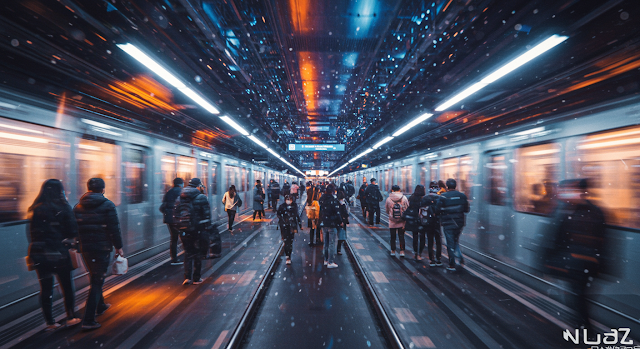
Understanding Everyday Subway Encounters
For many foreigners, riding the subway in Seoul can be a surprising experience. People often bump into each other or push past without a word of apology, which might seem rude at first glance. However, in Korea, unintentional minor physical contact is generally accepted, and a simple nod or brief “excuse me” is enough to acknowledge the situation.
서울 지하철을 처음 타는 외국인들에게는 사람들이 서로 부딪히거나 아무 말 없이 지나가는 모습이 다소 무례하게 느껴질 수 있습니다. 하지만 한국에서는 의도치 않은 가벼운 신체 접촉이 자연스럽게 받아들여지며, 짧은 고개 인사나 “실례합니다” 정도면 충분히 상황을 인정하는 것으로 여겨집니다.
.jpg "Why Minor Physical Contact is Tolerated in Korea")
The Roots: Collectivism Over Individual Space
This cultural norm is deeply rooted in Korea’s collectivist society, where harmony within the group is more important than individual boundaries. Experts explain that in crowded public spaces, people assume any bump is accidental and not worth making a fuss over. The language itself reflects this: Koreans often use “our” instead of “my” when referring to homes, schools, or even the country.
이러한 문화적 특징은 개인보다는 집단의 조화를 중시하는 한국의 집단주의에서 비롯되었습니다. 전문가들은 붐비는 공간에서 서로 부딪혀도 고의가 아니라는 점을 모두가 이해하기 때문에 문제 삼지 않는다고 설명합니다. 실제로 한국어에서는 집, 학교, 나라 등도 ‘내’가 아닌 ‘우리’로 표현하는 것이 일반적입니다.
.jpg "Why Minor Physical Contact is Tolerated in Korea")
Cultural Comparisons: Korea, Japan, and the US
Cultural reactions to physical contact differ around the world. In Japan, people immediately apologize with a “sumimasen” when they bump into someone, while in the US, personal space is highly valued and apologies are expected. In contrast, Korea’s tradition of prioritizing group harmony means less emphasis on individual space and fewer apologies for minor contact.
세계 각국의 신체 접촉에 대한 반응은 다릅니다. 일본에서는 지하철에서 부딪히면 바로 “스미마센”이라고 사과하고, 미국에서는 개인 공간을 중시해 반드시 사과를 기대합니다. 반면 한국은 집단의 조화를 우선시해 사소한 접촉에 대해 개인 공간이나 사과에 덜 민감합니다.
.jpg "Why Minor Physical Contact is Tolerated in Korea")
Changing Attitudes Among Young Koreans
Today, younger Koreans in their 20s and 30s are showing a shift in attitude. Many feel uncomfortable when strangers push past them without apologizing, and they are more likely to value personal space and say sorry if they bump into someone. Experts attribute this change to more individualistic and Westernized lifestyles compared to previous generations, who were used to crowded environments and tolerated such behavior as a necessity.
최근 20~30대 젊은 세대는 이러한 문화에 점점 불편함을 느끼고 있습니다. 이들은 누군가가 사과 없이 밀치고 지나갈 때 기분이 상하고, 자신도 부딪히면 사과하는 경향이 강합니다. 전문가들은 과거에 비해 개인주의적이고 서구적인 생활방식이 확산되면서 세대 간 태도 차이가 나타난다고 설명합니다.
.jpg "Why Minor Physical Contact is Tolerated in Korea")
Everyday Life: From Subways to Bathhouses
Korea’s tolerance for physical proximity extends beyond public transport. It’s common for friends to walk arm-in-arm or hold hands, and in public bathhouses, people are comfortable with communal spaces. This reflects a broader cultural comfort with closeness and shared experiences, though these norms are gradually evolving with younger generations.
한국의 신체적 근접성에 대한 관용은 지하철뿐만 아니라 일상 곳곳에서 드러납니다. 친구끼리 팔짱을 끼거나 손을 잡고 걷는 것이 흔하고, 대중목욕탕에서도 탈의실에서 자연스럽게 지내는 모습이 보입니다. 이런 문화는 세대가 바뀌면서 조금씩 변화하고 있습니다.