
Understanding Foreign Remittance Rules and Banking System in Korea
Foreign Nationals’ Remittance Regulations
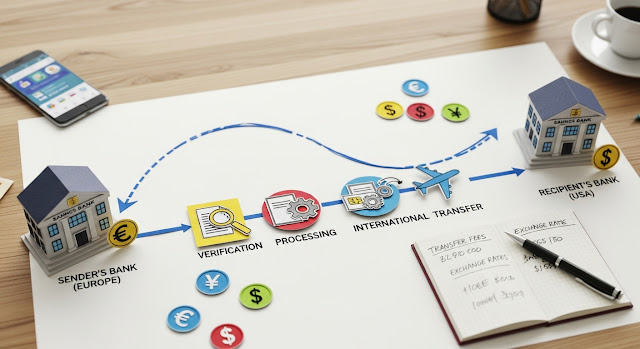
When living and working abroad, understanding financial regulations is crucial. Korea has specific rules for foreign nationals sending money overseas. You can transfer up to $50,000 annually without extensive documentation proving your funds’ origin. This makes everyday transactions relatively straightforward for expats managing their finances across borders.
한국에서 생활하고 일하는 외국인들에게 송금 규정을 이해하는 것은 매우 중요합니다. 한국은 해외 송금에 대해 구체적인 규칙을 가지고 있습니다. 연간 최대 5만 달러까지는 자금 출처를 증명하는 복잡한 서류 없이 송금할 수 있습니다. 이는 국경을 넘어 재정을 관리하는 외국인들에게 일상적인 거래를 비교적 간편하게 만들어줍니다.
.png "Banking System in Korea")
Documentation Requirements for Large Transfers
However, amounts exceeding this threshold require official reporting with supporting documents. For transactions over $5,000 in a single transfer, you must provide documentation detailing the source of funds and transfer purpose to your bank. Transfers exceeding $10,000 per transaction are automatically reported to the National Tax Service and Korea Customs Service, ensuring compliance with financial regulations.
하지만 이 한도를 초과하는 금액은 증빙 서류와 함께 공식 보고가 필요합니다. 한 번에 5천 달러를 초과하는 거래의 경우, 은행에 자금 출처와 송금 목적을 상세히 설명하는 서류를 제출해야 합니다. 거래당 1만 달러를 초과하는 송금은 국세청과 관세청에 자동으로 보고되어 금융 규정 준수를 보장합니다.
.png "Banking System in Korea")
Banks vs Savings Banks: Key Differences
Korea’s financial landscape includes institutions called “savings banks” that offer deposit, withdrawal, savings, and loan services similar to commercial banks. Major financial groups like “Shinhan Financial Group” operate both traditional banks and savings banks. Despite their banking-like functions, savings banks are classified as non-banking financial institutions, similar to securities companies or “Nonghyup” (National Agricultural Cooperation Federation).
한국의 금융 환경에는 상업은행과 유사한 예금, 출금, 저축, 대출 서비스를 제공하는 ‘저축은행’이라는 기관이 있습니다. “신한금융그룹” 같은 주요 금융 그룹은 전통적인 은행과 저축은행을 모두 운영합니다. 은행과 같은 기능을 제공함에도 불구하고, 저축은행은 증권회사나 “농협”(National Agricultural Cooperation Federation)과 유사한 비은행 금융기관으로 분류됩니다.

Understanding Non-Banking Financial Institutions
These institutions aren’t governed by the Banking Act but by separate regulations, supervised directly by the Financial Services Commission. This results in different interest rates for deposits and loans compared to traditional banks. Importantly, some savings banks don’t offer international remittance services, making it essential to verify available services before choosing your financial institution.
이러한 기관들은 은행법이 아닌 별도의 규정에 따라 관리되며, 금융위원회의 직접적인 감독을 받습니다. 이로 인해 전통적인 은행과 비교하여 예금과 대출에 대한 이자율이 다릅니다. 중요한 점은 일부 저축은행은 해외 송금 서비스를 제공하지 않기 때문에, 금융 기관을 선택하기 전에 이용 가능한 서비스를 확인하는 것이 필수적입니다.