
South Korea’s Changing Summer Climate
Introduction: The Changing Face of Korean Summers
In recent years, South Korea has experienced remarkable changes in its summer climate, marked by a surge in both scorching daytime temperatures and the phenomenon known as “tropical nights.” While the Korean Peninsula is officially classified as having a temperate climate, the summer heat and humidity have led both meteorologists and the public to describe certain nights as “tropical,” a term more commonly associated with equatorial regions.
최근 몇 년간 한국의 여름은 급격한 변화를 겪고 있습니다. 한낮의 기온이 33도 이상으로 치솟는 날이 늘어나고, 밤에도 25도 이하로 떨어지지 않는 ‘열대야’ 현상이 자주 발생하고 있습니다. 한반도는 공식적으로 온대 기후로 분류되지만, 여름철의 더위와 습도로 인해 기상청과 대중 모두가 이러한 밤을 ‘열대야’라고 부르고 있습니다.
What Are “Tropical Nights”?
A “tropical night” occurs when the nighttime temperature does not fall below 25 degrees Celsius. This phenomenon is particularly noticeable in urban environments, where concrete and dense infrastructure trap heat, preventing cities from cooling down after sunset.
‘열대야’란 밤사이 기온이 25도 이하로 내려가지 않는 현상을 말합니다. 이 현상은 특히 콘크리트와 빽빽한 건물 구조로 인해 열이 쉽게 빠져나가지 않는 도시에서 두드러지게 나타납니다.
Seoul: Sleepless in the City
The capital city, Seoul, has witnessed a dramatic increase in tropical nights over the past decade. Historically, from 1908 to 2011, Seoul experienced more than 20 tropical nights in a single year only once. However, since 2012, there have been six years with 20 or more such nights. Between 2012 and 2022, the average number of tropical nights per year in Seoul was 19.6, compared to just 12.5 for the period between 1991 and 2020. This shift highlights how what was once considered an anomaly has become the new normal.
서울은 지난 10년간 열대야 현상이 크게 증가했습니다. 1908년부터 2011년까지는 연간 20일 이상의 열대야가 단 한 번만 발생했지만, 2012년 이후로는 6년 동안 20일 이상의 열대야가 나타났습니다. 2012년부터 2022년까지 서울의 연평균 열대야 일수는 19.6일로, 1991~2020년의 12.5일에 비해 크게 늘었습니다. 이제는 이례적이었던 현상이 일상이 되었습니다.
.jpg "South Korea’s Changing Summer Climate")
The Urban Heat Island Effect
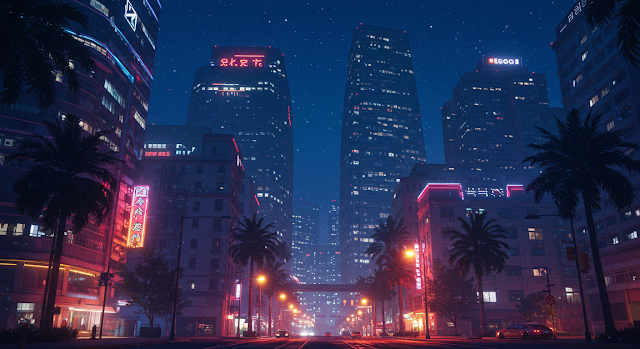
Urban areas like Seoul are especially prone to tropical nights due to the “urban heat island” effect. Tall buildings, asphalt, and concrete absorb heat during the day and release it slowly at night, making it difficult for temperatures to drop. As a result, residents endure restless, uncomfortable nights, with air conditioning becoming a necessity rather than a luxury.
서울과 같은 도시에서는 ‘도시 열섬 현상’으로 인해 열대야가 더욱 빈번하게 발생합니다. 고층 건물과 아스팔트, 콘크리트는 낮 동안 열을 흡수했다가 밤에도 천천히 방출하기 때문에 기온이 쉽게 내려가지 않습니다. 그 결과, 시민들은 불쾌하고 잠 못 이루는 밤을 보내고, 에어컨은 필수가 되어가고 있습니다.
Record-Breaking Hot Days
The increase in tropical nights is mirrored by a rise in extremely hot days. In the 20th century, Seoul recorded more than 15 days with temperatures above 33 degrees Celsius only twice. Since 2012, however, there have been six years with 15 or more such days. For instance, by mid-August this year, Seoul had already experienced 16 days with temperatures of 33 degrees or higher, along with 18 tropical nights.
열대야 증가와 함께 한낮의 폭염 일수도 늘어나고 있습니다. 20세기에는 서울에서 33도 이상의 폭염일이 연간 15일을 넘은 적이 두 번뿐이었지만, 2012년 이후로는 6년 동안 15일 이상의 폭염일이 있었습니다. 올해도 8월 중순 현재 이미 33도 이상인 날이 16일, 열대야가 18일이나 기록되었습니다.
Taebaek: The Coolest City in the Heat
While much of the country swelters, the mountainous city of Taebaek in Gangwon Province offers a stark contrast. Situated at 900 meters above sea level, Taebaek has only experienced one day above 33 degrees Celsius this year. Since 2013, there have been just 33 such days, with 16 of them occurring during the record-breaking summer of 2018. The city’s average summer temperature over the past decade was a refreshing 22.2 degrees Celsius.
전국이 무더위에 시달리는 가운데, 강원도 산악지대의 태백시는 완전히 다른 모습을 보여줍니다. 해발 900미터에 위치한 태백은 올해 33도 이상을 기록한 날이 단 하루뿐이었고, 2013년 이후로도 33도 이상인 날이 33일에 불과합니다. 2018년 기록적인 폭염 때 16일이 집중되었을 뿐입니다. 최근 10년간 태백의 여름 평균 기온은 22.2도로, 무더위 속에서 가장 시원한 도시로 꼽힙니다.
.jpg "South Korea’s Changing Summer Climate")
Few Tropical Nights in Taebaek
Taebaek’s high elevation not only keeps daytime temperatures lower but also prevents the occurrence of tropical nights. In fact, the city has recorded only four tropical nights in its history, a stark contrast to other cities in the same province, such as Gangneung, which had 197 tropical nights in just the past four years.
태백은 해발 고도가 높아 낮 기온이 낮을 뿐 아니라 열대야도 거의 발생하지 않습니다. 실제로 태백에서 기록된 열대야는 단 4일에 불과하며, 같은 강원도 내 강릉이 최근 4년 동안 197일의 열대야를 기록한 것과 대조적입니다.
Regional Differences: Gangneung’s Exception
Gangneung, another city in Gangwon Province, stands out as an exception. This year alone, Gangneung has already experienced 18 days with temperatures above 33 degrees and 22 tropical nights, underscoring the diversity of Korea’s regional climates even within the same province.
강원도의 또 다른 도시 강릉은 예외적인 모습을 보입니다. 올해만 해도 33도 이상인 날이 18일, 열대야가 22일이나 기록되어 같은 도 내에서도 지역별 기후 차이가 크다는 점을 보여줍니다.
Conclusion: Adapting to a New Summer Reality
South Korea’s summers are becoming hotter and more uncomfortable, especially in urban centers. The rise in tropical nights and extremely hot days is a clear sign of shifting climate patterns. While some regions like Taebaek offer cool relief, most of the country must adapt to longer, hotter summers and find ways to mitigate the effects of urban heat.
한국의 여름은 점점 더 덥고 불쾌해지고 있으며, 특히 도시에서 이러한 현상이 두드러집니다. 열대야와 폭염일의 증가는 기후 변화의 뚜렷한 신호입니다. 태백처럼 시원한 지역도 있지만, 대부분의 지역은 더 길고 더운 여름에 적응하고 도시 열섬 현상 완화 방안을 모색해야 할 때입니다.
.jpg "South Korea’s Changing Summer Climate")