
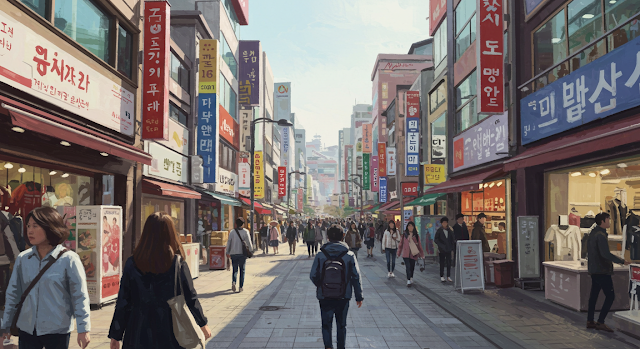
Anti-China Protests in Myeong-dong: Tourist Zone Safety Concerns
Tourism Industry Faces Unprecedented Challenge
Myeong-dong, one of Seoul’s premier tourist destinations, is currently experiencing significant challenges due to anti-China protests that have raised serious concerns among local business owners and authorities. This iconic shopping district, which serves as a gateway for international visitors, is now at the center of a debate about public safety and tourism sustainability.
명동이 중국 반대 시위로 인해 심각한 도전에 직면하고 있습니다. 서울의 대표적인 관광지인 이곳은 현재 지역 상인들과 당국 사이에서 공공 안전과 관광업 지속가능성에 대한 논쟁의 중심에 서 있습니다.
Business Coalition Demands Action
A coalition representing approximately 100 merchants and property owners in the Myeong-dong tourism special zone has formally announced their intention to request police intervention to ban the ongoing protests. The business community argues that these demonstrations pose a direct threat to both visitor safety and Korea’s international reputation.
명동 관광특구를 대표하는 약 100명의 상인과 건물주들로 구성된 연합체가 현재 진행 중인 시위를 금지하기 위해 경찰 개입을 요청하겠다고 공식 발표했습니다. 상인들은 이러한 시위가 방문객 안전과 한국의 국제적 명성에 직접적인 위협이 된다고 주장하고 있습니다.
.jpg "Tourist Zone Safety Concerns")
Impact on Chinese Tourism Numbers
The significance of this issue becomes clear when examining tourism statistics from the Korea Tourism Organization. Between January and April, Chinese visitors comprised 1.57 million of the total 5.58 million foreign tourists visiting Korea, representing nearly 30% of all international arrivals. This substantial portion of the tourism market makes the current situation particularly concerning for the local economy.
한국관광공사 통계를 살펴보면 이 문제의 심각성을 알 수 있습니다. 1월부터 4월까지 중국인 관광객은 전체 558만 명의 외국인 관광객 중 157만 명을 차지하여 전체 국제 입국자의 거의 30%를 차지했습니다. 관광시장의 이러한 상당한 부분이 현재 상황을 지역 경제에 특히 우려스럽게 만들고 있습니다.
Legal Framework and Safety Concerns
The merchant coalition is citing specific violations of the Assembly and Demonstration Act, particularly Article 5, which prohibits assemblies that pose direct threats to public peace through violence, threats, or destruction. Additionally, Article 12 allows police chiefs to restrict demonstrations on major city roads to maintain traffic flow and public order.
상인 연합은 집회 및 시위에 관한 법률, 특히 폭력, 위협, 파괴를 통해 공공 평화에 직접적인 위협을 가하는 집회를 금지하는 제5조의 특정 위반 사항을 인용하고 있습니다. 또한 제12조는 교통 흐름과 공공질서 유지를 위해 경찰서장이 주요 도시 도로에서의 시위를 제한할 수 있도록 규정하고 있습니다.

Government Response and Future Implications
The escalating situation has reached the highest levels of government, with President “Lee Jae-myung” ordering countermeasures during Tuesday’s Cabinet meeting. This governmental attention underscores the seriousness of the issue and its potential impact on Korea’s international relations and tourism industry.
상황이 고조되면서 정부 최고위층까지 도달했으며, “이재명” 대통령이 화요일 국무회의에서 대응책을 지시했습니다. 이러한 정부의 관심은 이 문제의 심각성과 한국의 국제관계 및 관광업에 미칠 잠재적 영향을 보여줍니다.
Balancing Free Speech and Economic Interests
The current situation in Myeong-dong highlights the complex balance between constitutional rights to peaceful assembly and the economic interests of local businesses dependent on international tourism. As authorities consider various measures to address the situation, the resolution will likely set important precedents for similar conflicts in other tourist areas.
현재 명동의 상황은 평화적 집회에 대한 헌법적 권리와 국제 관광업에 의존하는 지역 상인들의 경제적 이익 사이의 복잡한 균형을 보여줍니다. 당국이 상황을 해결하기 위한 다양한 조치를 고려하면서, 해결책은 다른 관광지역의 유사한 갈등에 중요한 선례를 남길 것으로 보입니다.