
Seeking Validation in Korea
The Rise of Online Approval-Seeking
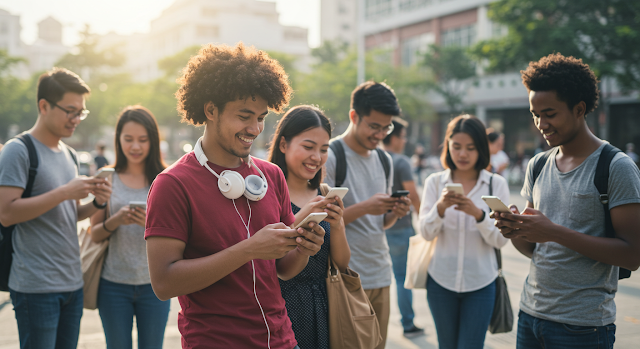
In South Korea, social media has become a central stage for people seeking validation for everyday decisions. From choosing what to wear for a car test-drive to deciding on lunch menus or wedding guest attire, countless Koreans now turn to online polls and community boards for reassurance. Even deeply personal issues—such as marriage, parenting, or handling conflicts—are openly discussed in anonymous forums, with users craving feedback and affirmation from strangers.
한국에서는 소셜 미디어가 일상적인 결정에 대한 타인의 인정을 구하는 중심 무대가 되었습니다. 자동차 시승에 어떤 옷을 입을지, 점심 메뉴를 고를지, 결혼식 하객 복장을 정할지 등 수많은 한국인들이 온라인 투표와 커뮤니티 게시판에서 안심을 얻고 있습니다. 결혼, 육아, 갈등 해결 같은 깊은 개인적 문제조차 익명 포럼에서 공개적으로 논의되며, 사용자들은 낯선 이들의 피드백과 인정을 갈망합니다.
Cultural Roots of Validation Addiction
This widespread search for external validation is not just a digital trend—it is deeply rooted in Korean culture. From a young age, Koreans are taught to prioritize the opinions and expectations of parents and teachers over their own. This upbringing, focused on conformity and collective harmony, often discourages independent decision-making and self-exploration. As a result, many adults grow up equating their self-worth with group acceptance and social standards, a psychological phenomenon known as “enmeshment”.
이러한 외부 인정 욕구는 단순한 디지털 트렌드가 아니라, 한국 문화에 깊이 뿌리내린 현상입니다. 어릴 때부터 한국인들은 자신의 생각보다 부모와 교사의 기대와 의견을 우선시하도록 교육받습니다. 이러한 집단 조화와 순응 중심의 성장 환경은 독립적인 결정과 자기 탐색을 억제합니다. 그 결과, 많은 성인들이 자신의 가치와 사회적 기준을 동일시하며, 이를 ‘융합(enmeshment)’이라고 부릅니다.
.jpg "The Social Media Effect")
The Influence of Social Media
Social media platforms amplify these cultural tendencies. The instant feedback of likes, comments, and shares creates a powerful loop of approval-seeking behavior. For many, the desire to fit in and be accepted by peers online becomes a daily priority. This is especially pronounced in Korea, where societal pressure to conform is strong, and standing out can feel risky or isolating.
소셜 미디어 플랫폼은 이러한 문화적 경향을 더욱 증폭시킵니다. 좋아요, 댓글, 공유와 같은 즉각적인 피드백은 승인 욕구 행동을 강화하는 강력한 루프를 만듭니다. 많은 사람들에게 온라인에서 또래 집단에 어울리고 인정받고자 하는 욕구는 일상적인 우선순위가 됩니다. 특히 한국에서는 집단에 순응해야 한다는 사회적 압력이 강해, 눈에 띄는 행동이 위험하거나 외로움을 유발할 수 있습니다.
Spending for Social Recognition
When internal confidence is lacking, some Koreans seek validation through spending. Purchasing luxury goods or even fake travel stickers for luggage is seen as a way to boost self-image and signal status to others. Social comparison, fueled by social media, drives many to make purchases not for personal satisfaction, but to impress or fit in with peers.
내면의 자신감이 부족할 때, 일부 한국인들은 소비를 통해 인정을 추구합니다. 명품이나 가짜 여행 스티커 같은 소품을 구매하는 것은 자기 이미지를 높이고 타인에게 지위를 과시하는 방법으로 여겨집니다. 소셜 미디어가 부추기는 사회적 비교는 많은 이들이 자신의 만족이 아닌, 또래에게 잘 보이기 위해 소비하도록 만듭니다.
.jpg "The Social Media Effect")
Toward Genuine Self-Acceptance
Experts suggest that real self-worth comes from within, not from external approval. Building a strong sense of self and accepting both strengths and weaknesses can help individuals resist the pressures of social comparison and validation addiction. Ultimately, nurturing inner confidence is key to finding true satisfaction and resilience in the face of others’ judgments.
전문가들은 진정한 자기 가치는 외부의 인정이 아니라 내면에서 온다고 조언합니다. 강한 자아를 구축하고 자신의 장단점을 모두 받아들이는 것이 사회적 비교와 인정 중독의 압박에서 벗어나는 데 도움이 됩니다. 궁극적으로, 내면의 자신감을 키우는 것이 타인의 평가에 흔들리지 않는 진정한 만족과 회복력을 찾는 열쇠입니다.