
The Extent of the Gender Pay Gap in South Korea
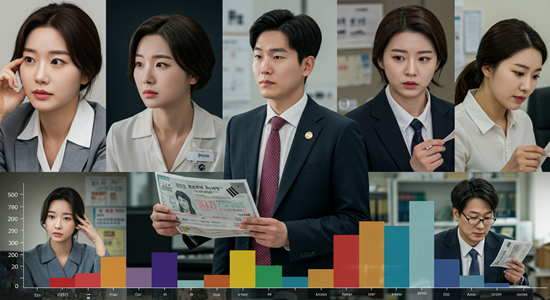
In 2024, Korean women earned 29% less than their male counterparts on average, the highest wage gap among OECD countries. Although the gap has decreased by nearly 5 percentage points since 2018, it remains more than twice the OECD average wage gap of 11.3%. Countries like Sweden and Australia have much smaller gaps, with Sweden’s at just 7.5%. This demonstrates the severity of gender-based income disparity in South Korea compared to other developed nations.
2024년 한국 여성의 평균 임금은 남성보다 약 29% 낮아 OECD 국가 중 가장 큰 임금 격차를 보이고 있습니다. 2018년 대비 5% 가까이 줄어들었으나, OECD 평균 임금 격차인 11.3%의 두 배 이상으로 높은 수준입니다. 스웨덴(7.5%)과 호주 같은 국가는 훨씬 작은 임금 차이를 보여 한국의 성별 임금 불균형 문제의 심각성을 나타냅니다.
Low-Wage Employment Disparities
Women are disproportionately represented among low-wage earners in Korea, with 23.8% of women classified as low-wage workers in 2024, more than double the rate of men (11.1%). This is also higher than the OECD average of 17.2% for women and 11.5% for men. Persistent low wages for women undermine their economic status and contribute to broader labor market inequality.
2024년 한국에서 저임금 근로자 중 여성의 비율은 23.8%로 남성(11.1%)의 두 배 이상입니다. 이는 OECD 평균 여성 17.2%, 남성 11.5%보다도 높은 수치입니다. 여성들의 저임금 문제는 경제적 지위 약화를 초래하고 노동 시장 전반의 불평등을 심화시키는 요인으로 작용합니다.
.png "Pay Gap in South Korea")
Progress and Challenges
While the gender pay gap has narrowed faster in Korea than the OECD average over the past five years, the country still ranks the worst among OECD members. Experts caution that structural and policy reforms are needed to build a gender-equal labor market. Key recommendations include enhancing wage transparency, supporting women’s continuous career development, and improving quality employment opportunities.
지난 5년간 한국의 성별 임금 격차 감소 속도는 OECD 평균보다 빠르지만, 여전히 OECD 국가 중 최악의 수준을 기록하고 있습니다. 전문가들은 성별 평등한 노동 시장 조성을 위해 임금 투명성 강화, 여성의 경력 지속 지원, 양질의 고용 기회 확대 등 구조적 정책 개선이 필요하다고 강조합니다.
International Comparisons and Policy Implications
The report compares Korea’s situation with Northern and Western European countries where gender pay gaps are small, attributed to effective policy measures and institutional support. These nations serve as models for how wage transparency and career support can reduce disparities. The Korean Women’s Development Institute urges reforms to create an equitable labor environment that fosters women’s economic empowerment.
보고서는 성별 임금 격차가 작은 북유럽 및 서유럽 국가들과 한국을 비교하며, 이들 국가는 정책과 제도적 지원을 통해 격차를 줄이는 데 성공했다고 평가합니다. 임금 투명성과 경력 지원이 불평등 해소에 중요한 역할을 함을 보여주며, 한국 여성정책연구원은 여성 경제력 강화를 위한 공정한 노동 환경 조성을 촉구하고 있습니다.
.png "Pay Gap in South Korea")
Conclusion
Despite gradual improvements, South Korea faces a significant challenge in closing its gender pay gap. Systemic inequalities persist that not only limit wages but also restrict career opportunities for women. Comprehensive efforts involving legal, institutional, and cultural changes are critical to achieving true gender equality in the Korean labor market.
점진적 개선에도 불구하고, 한국은 여전히 큰 성별 임금 격차 문제에 직면해 있습니다. 임금뿐 아니라 여성의 경력 기회를 제한하는 구조적 불평등이 지속되고 있습니다. 법적·제도적·문화적 변화를 포함하는 종합적 노력이 한국 노동 시장의 진정한 성평등 실현을 위해 필수적입니다.
