
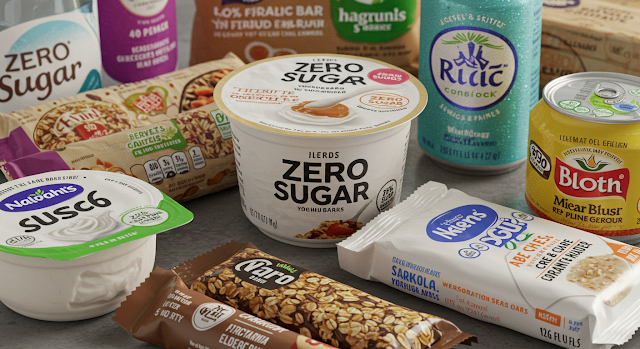
Korean Food Companies Face Criticism Over “Zero Sugar” Product Claims
The Rise of Zero-Sugar Products in Korea
The Korean food market has witnessed an explosive growth in “zero sugar” products, driven by health-conscious consumers seeking alternatives to traditional sugary snacks and beverages. Companies have rushed to capitalize on this trend, launching everything from carbonated drinks to ice creams under the “zero” label.
한국 식품 시장에서 무설탕 제품들이 폭발적으로 성장하고 있습니다. 건강을 중시하는 소비자들이 기존 설탕이 든 스낵과 음료의 대안을 찾으면서 이런 트렌드가 나타났습니다. 기업들은 이러한 트렌드를 활용하여 탄산음료부터 아이스크림까지 다양한 제품을 ‘제로’ 라벨로 출시하고 있습니다.
Health Concerns Over Artificial Sweeteners
Recent incidents have highlighted potential health risks associated with artificial sweeteners. “Compose Coffee” was forced to discontinue several zero-sugar beverages after customers complained of stomach problems from consuming drinks containing maltitol, erythritol, and sucralose.
최근 인공감미료와 관련된 잠재적 건강 위험이 부각되고 있습니다. ‘컴포즈커피’는 말티톨, 에리스리톨, 수크랄로스가 함유된 음료를 마신 고객들이 복통을 호소하자 여러 무설탕 음료 판매를 중단해야 했습니다.
.jpg "Zero Sugar")
Blood Sugar Impact Despite “Zero” Claims
“Lotte Wellfood’s” Zero lineup products primarily use maltitol as their sweetener, which despite being marketed as sugar-free, can still raise blood sugar levels. Maltitol has a glycemic index of 36, compared to regular sugar’s 68, meaning it does impact blood glucose, albeit more slowly.
‘롯데웰푸드’의 제로 라인업 제품들은 주로 말티톨을 감미료로 사용하는데, 무설탕으로 마케팅되고 있음에도 불구하고 여전히 혈당 수치를 올릴 수 있습니다. 말티톨의 혈당지수는 36으로, 일반 설탕의 68보다는 낮지만 여전히 혈당에 영향을 미칩니다.
Regulatory Standards and Marketing Concerns
According to Korean food regulations, products can be labeled “no sugar” if they contain less than 0.5 grams of sugar per 100 grams. However, consumer advocacy groups argue this labeling can be misleading when products still affect blood sugar levels, particularly concerning for diabetic patients.
한국 식품 규정에 따르면 100g당 설탕 함량이 0.5g 미만인 제품은 ‘무설탕’으로 표시할 수 있습니다. 하지만 소비자 단체들은 이런 제품들이 여전히 혈당 수치에 영향을 미칠 때, 특히 당뇨병 환자들에게는 이런 라벨링이 오해를 불러일으킬 수 있다고 주장하고 있습니다.
.jpg "Zero Sugar")
Expert Recommendations and Consumer Awareness
Professor “Lee Eun-hee” from Inha University emphasizes that while artificial sweeteners can help reduce sugar consumption, consumers shouldn’t assume these products are completely harmless. The key is moderation and understanding that “zero sugar” doesn’t necessarily mean zero health impact.
인하대학교 ‘이은희’ 교수는 인공감미료가 설탕 섭취량 감소에 도움이 될 수 있지만, 소비자들이 이런 제품들이 완전히 무해하다고 가정해서는 안 된다고 강조합니다. 중요한 것은 적당한 섭취와 ‘무설탕’이 반드시 건강에 미치는 영향이 전혀 없다는 뜻은 아니라는 점을 이해하는 것입니다.