
Understanding Korean Social Etiquette: Key Taboos to Avoid in Korea
Living in Korea provides an exciting cultural experience, but it also comes with unspoken rules and social contracts that might be puzzling for foreigners. Central to Korean culture is the deep-rooted value of respect, which governs everyday interactions, from language to dining manners. One important concept to grasp is “sillye,” which refers to words or actions that violate accepted customs or manners. Avoiding sillye is essential to fit harmoniously into Korean society.
한국에서의 사회적 예절은 매력적인 문화 체험을 제공하지만 외국인에게는 이해하기 어려운 불문율과 사회적 계약이 존재합니다. 한국 문화의 핵심 가치는 바로 존중이며, 이는 언어 사용부터 식사 예절 등 일상생활 전반에 걸쳐 영향을 미칩니다. 특히 “실례”라는 개념은 허용된 관습이나 예절에 맞지 않는 말이나 행동을 의미하기 때문에 이를 피하는 것이 원활한 사회 적응에 매우 중요합니다.
The Importance of the Sunbae-Hubae Relationship
In Korean workplaces and schools, the seniority-based relationship called sunbae-hubae plays a significant role. The sunbae is the experienced senior expected to guide the hubae, the junior, through mentorship and leadership. This hierarchical relationship often extends to social settings, such as dining, where the sunbae typically offers to pay as a gesture of care and welcoming. However, this system is evolving, with some companies adopting horizontal work cultures where mutual respect is shown evenly rather than strictly by seniority.
한국의 직장과 학교에서는 선배-후배 관계가 매우 중요합니다. 선배는 경험 많은 윗사람으로서 후배를 지도하고 멘토 역할을 수행합니다. 이런 위계적 관계는 회식 자리에서도 나타나, 선배가 식사를 대접하는 것이 일반적입니다. 하지만 최근에는 호칭을 님으로 통일하는 등 수평적인 문화도 확산되고 있어, 예전 방식과 새로운 방식이 공존하고 있습니다.
.webp "Understanding Korean Social Etiquette")
Modesty as a Cultural Virtue
Koreans highly value modesty, often downplaying personal achievements and deflecting compliments to show humility. For example, a common phrase equivalent to “You are too kind” signals modesty rather than literal criticism of praise. This is deeply ingrained in social interactions and reflects respect for others. Even prominent figures like “Son Heung-min” and his family demonstrate this cultural trait by emphasizing continuous self-improvement over public acclaim.
한국인들은 겸손을 매우 중요하게 여기며, 자신의 성취를 자랑하기보다는 칭찬을 받아도 겸손하게 받아들이는 태도를 보입니다. 예를 들어 “과찬입니다”라는 표현은 실제 불만이 아니라 겸손의 표시입니다. 이는 대인관계에서 타인을 존중하는 태도로 자리 잡았으며, 축구선수 “손흥민” 가족에서도 이러한 문화가 잘 나타나 있어 끊임없는 자기 발전을 강조합니다.
Respect in Language and Gestures
Korean social respect extends to language known as jondaemal, a formal speech style used when addressing elders or superiors. It ranges from simple polite endings to complex vocabulary changes depending on the person’s age or status. Gestures also matter: bowing when greeting someone of higher status or using both hands in a handshake express respect. While foreigners aren’t expected to master all nuances, making an effort to learn Korean etiquette is appreciated and fosters smoother social integration.
한국의 존댓말은 나이나 지위가 높은 사람에게 사용하는 공손한 언어이며, 단순한 종결어미 사용부터 복잡한 어휘 변화까지 다양합니다. 또한 인사할 때 고개 숙여 인사하거나 양손으로 악수하는 등 몸짓으로도 존중을 표현합니다. 외국인이 모든 예절을 완벽히 알 필요는 없으나, 노력하는 모습은 한국인에게 좋은 인상을 주고 원활한 적응에 큰 도움이 됩니다.
.webp "Understanding Korean Social Etiquette")
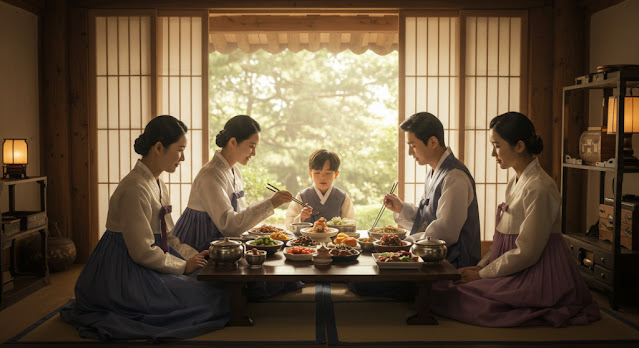
Understanding Korean Dining Etiquette
Korean dining culture is filled with subtle rules, such as waiting for elders to start eating before you do or offering seats to senior citizens on public transportation. When eating with colleagues, allowing a sunbae to pay for the meal is seen as respect and acceptance of guidance. Noticing and respecting these customs can help foreigners avoid awkward social situations and build stronger relationships.
한국 식사 예절은 어른이 먼저 식사를 시작할 때까지 기다리거나, 버스나 지하철에서 어르신께 자리를 양보하는 등 세세한 규칙이 있습니다. 직장 동료와 회식할 때는 선배가 식사를 대접할 때 감사히 받는 것이 존경과 인정을 의미합니다. 이러한 예절을 지키면 외국인도 불편한 상황을 피하고 관계를 돈독히 할 수 있습니다.
Changing Workforce Demographics and Cultural Impact
An interesting societal trend in Korea is the aging workforce in large companies, where employees aged 50 and above now outnumber those under 30. This shift is due to demographic changes and hiring practices focusing more on experienced workers rather than new graduates. This evolution may also influence traditional hierarchical workplace relationships and social etiquette over time.
한국 대기업에서 50대 이상 직원이 30대 이하 직원보다 많아지는 현상이 나타나고 있습니다. 이는 인구 구조 변화와 경력직 채용 증가 등으로 인해 발생한 현상으로, 앞으로 전통적인 위계질서와 직장 내 예절에도 영향을 줄 수 있습니다.
.webp "Understanding Korean Social Etiquette")
Adapting as a Foreigner in Korean Society
For foreigners living or working in Korea, understanding and respecting Korean social norms like sillye, sunbae-hubae, modesty, and jondaemal paves the way for better acceptance. Most Koreans appreciate when foreigners make sincere efforts to learn local customs, which eases cultural barriers and builds mutual respect despite inevitable differences.
한국 사회에서 생활하거나 일하는 외국인은 실례를 피하고 선배-후배 관계, 겸손, 존댓말 등 한국 사회 규범을 이해하고 존중하는 것이 중요합니다. 대부분의 한국인은 외국인이 현지 문화를 배우려 노력하면 이를 높이 평가해 문화적 장벽을 허물고 상호 존중을 쌓을 수 있습니다.