
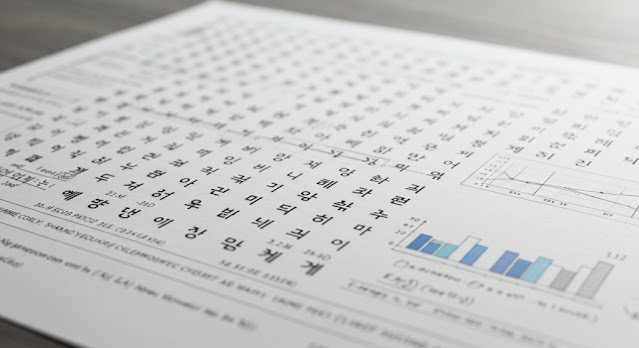
The Scientific Brilliance and History of Hangeul
The Genius of Hangeul Design
Hangeul stands out as one of the most scientific and innovative writing systems in the world. Created by King “Sejong the Great” and his scholars in the 15th century, its inventiveness lies in its logical structure and ease of use compared to other scripts. Hangeul was designed to increase literacy among commoners, thanks to its accessibility and scientific rigor.
한글은 세계에서 가장 과학적이고 혁신적인 문자 체계 중 하나로 인정받고 있습니다. 15세기 “세종대왕”과 집현전 학자들이 창제한 이 문자는 논리적 구조와 사용의 용이성 면에서 타 문자에 비해 큰 장점을 가지고 있습니다. 한글은 백성들의 문자 생활을 쉽게 하려는 목적에서 과학적이고 체계적으로 설계되었습니다.
Historical Background: The Creation of Hangeul
Before Hangeul, Koreans used classical Chinese characters, which were complex and hard for ordinary people to learn. Recognizing this obstacle, “Sejong the Great” initiated the development of a new writing system in 1443, which was published as “Hunminjeongeum” in 1446. This monumental step made reading and writing accessible to everyone regardless of their social status.
한글이 창제되기 전까지, 우리 민족은 한자를 사용했으나, 한자는 일반 백성들이 배우기에 너무 어려웠습니다. 이를 해결하기 위해 “세종대왕”께서는 1443년에 새로운 문자 체계 연구를 시작하셨고, 1446년 “훈민정음”으로 세상에 알리셨습니다. 이로 인해 신분에 관계없이 누구나 쉽게 읽고 쓸 수 있게 되었습니다.
.webp "Korean language")
Linguistic Structure: Scientific Logic behind Hangeul
Hangeul consists of 14 basic consonants and 10 vowels, all designed based on scientific observations of human speech organs. The shapes of consonants reflect the articulatory position of the tongue, teeth, and throat, while vowels use vertical and horizontal lines to symbolize the sky, earth, and human. This phonetic principle makes Hangeul intuitive and logical to learn.
한글의 자음은 14개, 모음은 10개로 이루어져 있으며, 각각 사람의 발음 기관을 과학적으로 관찰해 만든 모양입니다. 자음의 모양은 혀, 이, 목구멍 등의 모양을 본떠서 만들었고, 모음은 하늘, 땅, 사람을 상징하는 수직·수평선으로 구성되어 있습니다. 이러한 원리 덕분에 한글은 배우고 사용하기 쉽고 체계적입니다.
Ease of Learning: Universal Accessibility
One of Hangeul’s most celebrated scientific qualities is its simplicity. Unlike complex logographic systems, Hangeul can be mastered within a few hours to a few days. Its regular spelling rules make reading and writing straightforward. This simplicity has historically led to high literacy rates in Korea.
한글의 가장 큰 과학적 특성 중 하나는 배우기 쉽다는 점입니다. 복잡한 표의문자와 달리, 한글은 수 시간에서 수일 내에 익힐 수 있습니다. 규칙적인 맞춤법 덕분에 읽기와 쓰기가 매우 간단하여, 우리나라의 문해율을 크게 높였습니다.
.webp "Korean language")
Modern Relevance: Why Hangeul Remains Unique
Today, Hangeul’s efficiency is internationally recognized, with linguists often praising its engineered design. The script allows for digital compatibility and adaptability to new technology. Its clarity and systematic organization enable quick learning and efficient communication in education, literature, and even technology.
오늘날 한글의 효율성은 전 세계적으로 인정받고 있습니다. 많은 언어학자들이 한글의 과학적 설계를 극찬하며, 디지털 시대에도 적합하게 잘 대응하고 있습니다. 명확하고 체계적인 구조 덕분에 한글은 교육, 문학, 기술 등 여러 분야에서 빠르고 효율적으로 활용되고 있습니다.
Global Impact: Spreading Korean Culture
With the rise of K-culture, including “K-pop,” “K-drama,” and “webtoons,” Hangeul has attracted international audiences eager to learn it. Its scientific and simple nature encourages more people worldwide to embrace Korean language and culture.
K-팝, K-드라마, 웹툰 등 한류의 확산과 함께 한글에 대한 관심도 전 세계적으로 높아지고 있습니다. 한글의 과학적이고 쉬운 특징은 외국인들이 한국어와 문화를 배우는 데 좋은 환경을 제공합니다.
.webp "Korean language")
Conclusion: Celebrating a Timeless Invention
The invention of Hangeul reflects advanced thinking and scientific foresight, making it not just a writing system but a cultural treasure. Its unique design and logic continue to set an example for language development and remain a proud symbol of Korea.
한글의 창제는 뛰어난 지성과 과학적 안목의 결과로서, 단순한 문자가 아닌 우리 문화의 소중한 유산입니다. 독특한 구조와 논리는 언어 발전의 모범이 되고 있으며, 한국인에게 큰 자부심이 되고 있습니다.