
What Changed?
The Stress Generation Has Shifted
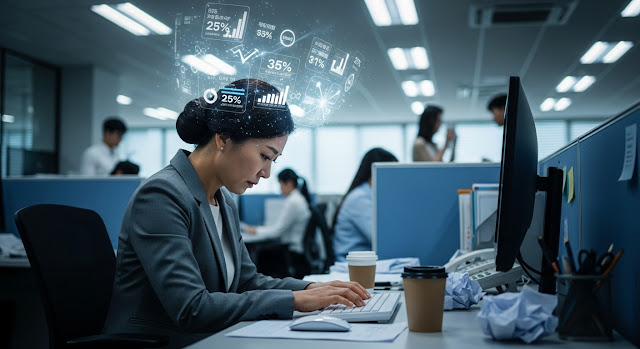
Something significant has changed in Korea! 😟 For years, younger Koreans in their 20s and 30s were considered the most stressed generation. But new data from the Korea Disease Control and Prevention Agency shows a dramatic shift: people in their 40s now record the HIGHEST stress levels in daily life at 35.1%. That’s more than eight percentage points higher than a decade ago! The anxieties of midlife have officially eclipsed those of young adulthood.
한국에서 의미 있는 변화가 일어났습니다! 😟 수년간 20-30대 젊은 한국인들이 가장 스트레스를 많이 받는 세대로 여겨졌습니다. 하지만 질병관리청의 새로운 자료에 따르면 극적인 변화가 나타났습니다. 40대가 일상생활 스트레스 수준에서 35.1%로 가장 높은 수치를 기록한 것입니다! 10년 전보다 8%포인트 이상 높아진 수치입니다. 중년의 불안이 공식적으로 청년기의 스트레스를 넘어섰습니다.

The Numbers by Age Group
Let’s look at the full picture! 📊 The 2024 survey of about 10,000 people found that 25.9% of adults reported feeling “very much” or “much” stress. By age group, 40s led at 35.1%, followed closely by 30s at 34.7%, and 19-29 year-olds at 30.3%. Compare this to 2014 when people in their 30s were the most stressed at 34%, showing how the burden has clearly shifted upward.
전체 그림을 보겠습니다! 📊 약 10,000명을 대상으로 한 2024년 조사에서 성인의 25.9%가 “매우 많이” 또는 “많이” 스트레스를 느낀다고 답했습니다. 연령대별로 40대가 35.1%로 가장 높았고, 30대가 34.7%, 19-29세가 30.3%로 뒤를 이었습니다. 30대가 34%로 가장 높았던 2014년과 비교하면, 부담이 확실히 위쪽 연령대로 이동했음을 알 수 있습니다.
Gender Gap: Women Are More Stressed
The gender difference is striking! 👩💼 Overall, women reported higher stress levels than men — 28.6% compared with 23.3%. Among men, those in their 40s recorded the highest rate at a staggering 36.3%. Among women, the highest rate was actually in their 30s at 41.5%! Nearly half of all women in their 30s feel significantly stressed. That’s an alarming number!
성별 차이가 눈에 띕니다! 👩💼 전체적으로 여성이 남성보다 높은 스트레스를 보고했습니다. 28.6% 대 23.3%입니다. 남성 중에서는 40대가 36.3%로 가장 높은 비율을 기록했습니다. 여성 중에서는 30대가 41.5%로 가장 높았습니다! 30대 여성의 거의 절반이 상당한 스트레스를 느끼고 있습니다. 정말 우려스러운 수치입니다!

Workplace Pressure Is the Top Culprit
What’s causing all this stress? 💼 For men in their 40s, the workplace was the number one source, cited by a massive 46.6%! But here’s the fascinating gender difference: while work stressed women in their 30s the most (28.2%), women in their 40s cited concerns about parents or children as their top factor at 27.6%. Only 4.2% of men in their 40s cited family as their main stressor. The burden clearly falls differently!
무엇이 이 모든 스트레스를 유발하고 있을까요? 💼 40대 남성에게는 직장이 46.6%로 압도적인 1위 원인이었습니다! 흥미로운 성별 차이가 있습니다. 30대 여성에게는 직장이 가장 큰 스트레스원(28.2%)이었지만, 40대 여성에게는 부모나 자녀에 대한 걱정이 27.6%로 1위였습니다. 40대 남성 중 가족을 주된 스트레스원으로 꼽은 비율은 겨우 4.2%입니다. 부담이 확실히 다르게 떨어지고 있습니다!
Expert Analysis: Why the 40s Are Struggling Now
Professor “Lim Myung-ho” from Dankook University’s Department of Psychology explains the shift! 🧠 “In the past, working hard was often enough to support a family, but that is far more difficult today. The economy has become more challenging, job stability is harder to ensure, and fears of AI-driven job losses are growing. Workplace competition is far more intense than a decade ago.”
단국대학교 심리학과 “임명호” 교수가 이 변화를 설명합니다! 🧠 “과거에는 열심히 일하면 가족을 부양할 수 있었지만, 오늘날은 훨씬 더 어렵습니다. 경제가 더 어려워지고, 고용 안정성을 확보하기가 힘들어졌으며, AI로 인한 일자리 상실에 대한 두려움도 커지고 있습니다. 직장 내 경쟁도 10년 전보다 훨씬 치열해졌습니다.”

The Hidden Burden on Korean Women
“Lim” also highlighted why women face unique pressures! 👩👧👦 “In Korea, issues such as raising children and responsibilities involving parents or in-laws tend to be far more competitive and demanding than in many other countries.” Korean women in their 40s carry an invisible double burden — managing both career expectations and intense family responsibilities that society often places squarely on their shoulders.
“임” 교수는 여성이 독특한 압박에 직면하는 이유도 강조했습니다! 👩👧👦 “한국에서는 자녀 양육이나 부모·시부모 관련 책임이 다른 많은 나라보다 훨씬 경쟁적이고 부담이 큽니다.” 한국의 40대 여성은 보이지 않는 이중 부담을 지고 있습니다. 경력에 대한 기대와 사회가 종종 전적으로 그들의 어깨에 올려놓는 강도 높은 가족 책임을 동시에 감당해야 합니다.
Time to Support Korea’s Most Stressed Generation
The message is clear: middle-aged Koreans need more support! 💪 With stagnant wages, rising household debt, AI anxiety, and intense workplace competition, the 40s have become the hardest decade. Society needs to recognize that stress isn’t just a “young person’s problem” anymore. Better workplace policies, mental health resources, and shared family responsibilities are essential! 💜
메시지는 분명합니다. 중년 한국인들에게 더 많은 지원이 필요합니다! 💪 정체된 임금, 늘어나는 가계 부채, AI 불안, 치열한 직장 경쟁 속에서 40대가 가장 힘든 10년이 되었습니다. 사회는 스트레스가 더 이상 ‘젊은이들만의 문제’가 아니라는 것을 인식해야 합니다. 더 나은 직장 정책, 정신건강 자원, 가족 책임의 공유가 필수적입니다! 💜