
Migrant Student Schools Surge 2.6-Fold in 5 Years
A Dramatic Shift in Korean Schools
Korea’s classrooms are changing faster than anyone expected! 📚🌍 Schools with high concentrations of students from migrant backgrounds have increased 2.6 times in just five years — from 47 in 2020 to 123 in 2025. This is happening even as Korea’s overall school-age population keeps declining! Students from migrant backgrounds now surpass 200,000, making up about 4% of all students nationwide. Korea is becoming a truly multicultural society, and the education system needs to keep up!
한국의 교실이 예상보다 훨씬 빠르게 변화하고 있습니다! 📚🌍 이주 배경 학생 밀집 학교가 불과 5년 만에 2.6배 증가했습니다. 2020년 47곳에서 2025년 123곳으로 늘었습니다. 이것은 한국의 전체 학령인구가 계속 감소하는 와중에 일어나고 있는 일입니다! 이주 배경 학생 수는 작년에 20만 명을 넘어 전체 학생의 약 4%를 차지합니다. 한국이 진정한 다문화 사회가 되어가고 있으며, 교육 시스템이 이를 따라가야 합니다!

What Counts as a “High Concentration” School?
Let’s clarify the definition! 📊 Schools are designated as having a “high concentration” if they have more than 100 enrolled students from migrant backgrounds AND these students make up 30% or more of the total student body. That’s a significant threshold! It means in these schools, nearly one in three students comes from a migrant family.
정의를 명확히 해보겠습니다! 📊 이주 배경 학생이 100명 이상 재학하면서 전체 학생의 30% 이상을 차지하는 학교를 ‘밀집 학교’로 지정합니다. 상당히 높은 기준입니다! 이 학교들에서는 학생 세 명 중 거의 한 명이 이주 배경 가정 출신이라는 뜻입니다.
Where Are These Schools Located?
The regional breakdown is interesting! 🗺️ Gyeonggi Province leads with 52 high migrant population schools — nearly half the national total! Seoul follows with 18, South Chungcheong Province with 10, Daegu with 8, and Incheon with 7. Meanwhile, Daejeon, Ulsan, and North Jeolla Province each have just one. The concentration pattern reflects where immigrant communities have historically settled.
지역별 분포가 흥미롭습니다! 🗺️ 경기도가 52곳으로 전국 총수의 거의 절반을 차지하며 선두를 달리고 있습니다! 서울이 18곳, 충청남도가 10곳, 대구가 8곳, 인천이 7곳으로 뒤를 잇습니다. 반면 대전, 울산, 전북은 각각 1곳에 불과합니다. 이 집중 패턴은 이민자 공동체가 역사적으로 정착해온 지역을 반영하고 있습니다.

Korean Language Classes Are Bursting at the Seams
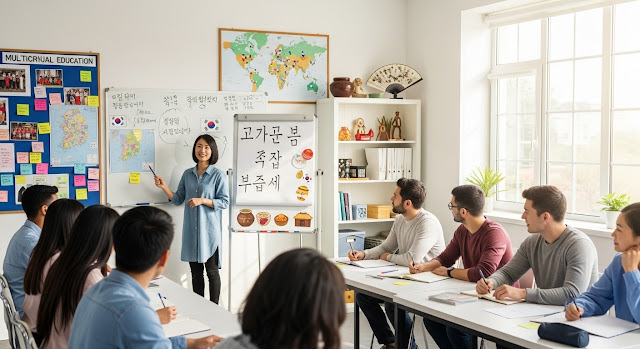
Here’s the biggest problem! 😰 The average number of students per Korean language class nationwide shot up from 13.8 in 2020 to 21.5 in 2024! These classes are designed to help migrant students adjust to school life and receive intensive language instruction before transitioning to regular classrooms. The education ministry recommends class sizes of around 10 students — but the current reality is MORE THAN DOUBLE that recommendation!
가장 큰 문제가 있습니다! 😰 전국 한국어 학급당 평균 학생 수가 2020년 13.8명에서 2024년 21.5명으로 급증했습니다! 이 수업들은 이주 배경 학생들이 학교생활에 적응하고 일반 학급으로 전환하기 전에 집중 언어 교육을 받을 수 있도록 설계되었습니다. 교육부는 학급당 약 10명을 권장하지만, 현재 현실은 권장 수치의 두 배가 넘습니다!
Why Quality Education Matters for Integration
This isn’t just about numbers — it’s about futures! 🌟 Korean language proficiency is the gateway to everything: making friends, understanding lessons, passing exams, and eventually finding jobs. When classes are overcrowded, students don’t get the individual attention they need. The gap between the growing migrant student population and the educational resources available is widening, not shrinking!
이것은 단순한 숫자 문제가 아니라 미래에 관한 것입니다! 🌟 한국어 능력은 모든 것의 관문입니다. 친구 사귀기, 수업 이해하기, 시험 통과하기, 그리고 결국 취업하기까지. 학급이 과밀하면 학생들이 필요한 개별 관심을 받지 못합니다. 늘어나는 이주 배경 학생 수와 교육 자원 사이의 격차가 줄어들기는커녕 오히려 커지고 있습니다!

Lawmakers Call for Action
Rep. “Jin Sun-mee” of the Democratic Party stressed the urgency! 🏛️ “It is urgent to ensure that students with migrant backgrounds can access the education they need wherever they reside. Education authorities must come up with practical measures to ease school concentration and classroom overcrowding, while expanding the number of teachers and support staff.”
더불어민주당 “진선미” 의원이 시급성을 강조했습니다! 🏛️ “이주 배경 학생들이 어디에 거주하든 필요한 교육을 받을 수 있도록 보장하는 것이 시급합니다. 교육 당국은 학교 밀집 현상과 학급 과밀을 완화하고, 교사와 지원 인력을 확대하는 실질적인 대책을 마련해야 합니다.”
Building a Multicultural Future Together
Korea’s demographic reality is clear: diversity in classrooms will only increase! 🤝 The question isn’t WHETHER to support migrant students, but HOW to do it effectively. More teachers, smaller classes, better resources, and inclusive policies are all needed. Every child deserves quality education regardless of their background. Let’s build that future together! 💜
한국의 인구학적 현실은 분명합니다. 교실의 다양성은 앞으로 더 늘어날 것입니다! 🤝 문제는 이주 배경 학생을 지원할지 여부가 아니라, 어떻게 효과적으로 지원할 것인가입니다. 더 많은 교사, 더 작은 학급, 더 나은 자원, 포용적인 정책이 모두 필요합니다. 모든 아이는 배경에 관계없이 양질의 교육을 받을 자격이 있습니다. 함께 그 미래를 만들어 갑시다! 💜