
The Secret Language of K-Drama Relationships
The Power of a Single Word
Ever wondered why K-drama characters suddenly switch how they address each other? These aren’t just random name changes – they’re emotional earthquakes disguised as vocabulary. Korean honorifics like “oppa,” “seonbae,” and “ajumma” carry layers of meaning that English subtitles simply can’t capture.
K-드라마를 보면서 등장인물들이 서로를 부르는 호칭이 갑자기 바뀌는 것을 본 적이 있으신가요? 이것은 단순한 이름 변경이 아니라 감정의 변화를 나타내는 중요한 신호입니다. “오빠”, “선배”, “아줌마”와 같은 한국어 호칭은 영어 자막으로는 표현할 수 없는 여러 층의 의미를 담고 있습니다.
When ‘Oppa’ Changes Everything
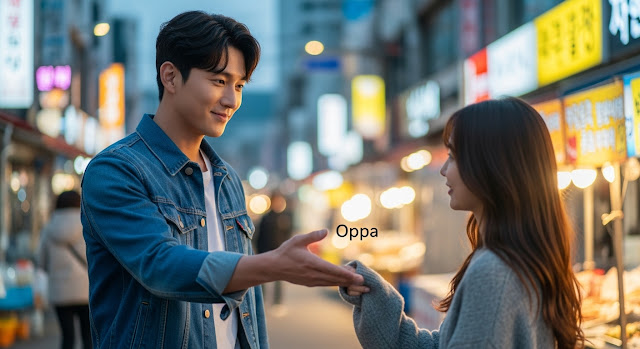
The word “oppa” is more than just “older brother” – it’s a relationship status update. When a female character transitions from using someone’s name to calling them oppa, Korean audiences instantly recognize the shift toward romance. Dramas like “My Demon” and “Reply 1997” masterfully use this linguistic pivot to signal deepening intimacy.
“오빠”라는 단어는 단순히 “형” 이상의 의미를 가집니다. 여성 캐릭터가 누군가의 이름 대신 오빠라고 부르기 시작하면 한국 시청자들은 즉시 로맨스로의 전환을 알아차립니다. “마이 데몬”이나 “응답하라 1997″같은 드라마는 이러한 언어적 전환을 통해 깊어지는 친밀감을 훌륭하게 표현합니다.
.jpg "Korean Honorifics")
The Warmth Behind ‘Seonbae’
“Seonbae” goes beyond simple hierarchy – it’s respect mixed with affection. In workplace romances like “She Would Never Know,” this title creates a delicate balance between professional distance and personal closeness. When characters drop formalities and shift their address, they’re not just changing words – they’re rewriting relationship boundaries.
“선배”는 단순한 서열을 넘어서는 의미를 담고 있습니다. “선배, 그 립스틱 바르지 마요”와 같은 직장 로맨스에서 이 호칭은 전문적인 거리감과 개인적인 친밀함 사이의 섬세한 균형을 만들어냅니다. 캐릭터들이 격식을 버리고 호칭을 바꿀 때, 그들은 단순히 단어를 바꾸는 것이 아니라 관계의 경계를 다시 쓰는 것입니다.
The Complex World of ‘Ajeossi’ and ‘Ajumma’
These generational markers walk a tightrope between respect and dismissal. While “ajeossi” can convey warmth, “ajumma” often carries cultural baggage about aging and social expectations. In “Love (ft. Marriage & Divorce),” three women reclaim the term with humor and defiance, turning social stigma into empowerment.
이러한 세대적 표현들은 존중과 무시 사이의 경계를 걷습니다. “아저씨”는 따뜻함을 전달할 수 있지만, “아줌마”는 종종 나이 듦과 사회적 기대에 대한 문화적 무게를 담고 있습니다. “사랑은 불륜을 타고”에서 세 명의 여성은 이 용어를 유머와 도전으로 되찾아 사회적 낙인을 힘으로 바꿉니다.
.jpg "Korean Honorifics")
Reading Between the Lines
In “Business Proposal,” when “Kim Se-jeong” stops saying “President Kang” and switches to “Tae-moo ssi,” it’s a seismic shift in their relationship. These linguistic choices are the emotional GPS of K-dramas, guiding viewers through the terrain of changing relationships. Understanding them transforms viewing from simple entertainment into cultural literacy.
“사내맞선”에서 “김세정”이 “강회장”이라는 호칭을 멈추고 “태무 씨”로 바꿀 때, 이것은 그들의 관계에서 엄청난 변화입니다. 이러한 언어적 선택은 K-드라마의 감정적 GPS로서 변화하는 관계의 지형을 통해 시청자들을 안내합니다. 이를 이해하는 것은 시청을 단순한 엔터테인먼트에서 문화적 이해로 변화시킵니다.
.jpg "Korean Honorifics")