
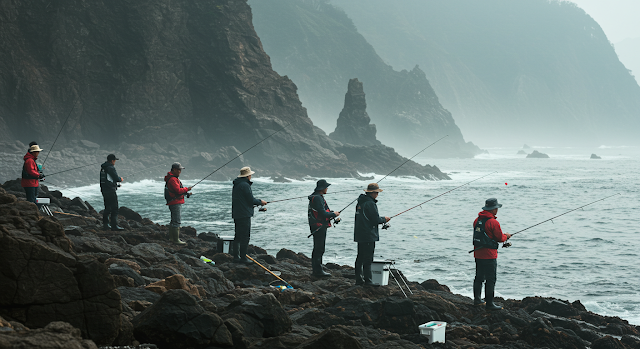
Introduction: A Turning Point for Recreational Fishing in Korea
South Korea is currently at a crossroads regarding the management of recreational fishing. The government is actively considering the introduction of a licensing system for hobbyist anglers, a move that could reshape the landscape of fishing as a leisure activity. This proposal comes amid growing concerns about resource depletion, environmental impacts, and the need for sustainable fisheries management.
한국은 현재 레저 낚시 관리에 있어 중요한 기로에 서 있습니다. 정부는 취미로 낚시를 즐기는 이들을 대상으로 한 면허제 도입을 적극적으로 검토 중입니다. 이 같은 움직임은 자원 고갈, 환경 영향, 지속 가능한 어업 관리에 대한 우려가 커지는 가운데 나왔으며, 앞으로 낚시 문화의 판도를 바꿀 수 있습니다.
Background: Why Is a License System Being Discussed?
The surge in the popularity of fishing as a hobby has led to a significant increase in the number of amateur anglers across the country. This rise has brought about challenges such as overfishing in certain areas, illegal fishing practices, and conflicts between commercial and recreational fishers. As a result, authorities are seeking ways to better regulate and monitor fishing activities to protect marine resources and ensure fair access for all.
최근 낚시가 대중적인 취미로 자리 잡으면서 전국적으로 아마추어 낚시 인구가 크게 늘었습니다. 이로 인해 일부 지역에서는 남획, 불법 낚시, 상업 어업과 레저 낚시 간의 갈등 등 다양한 문제가 발생하고 있습니다. 이에 따라 정부는 해양 자원을 보호하고 모두에게 공정한 접근 기회를 보장하기 위해 낚시 활동을 더 효과적으로 규제하고 관리할 방안을 모색하고 있습니다.
Global Trends: Recreational Fishing Licenses Around the World
Many countries have already implemented licensing systems for recreational fishing. For example, in the UK, anglers are required to obtain a rod fishing license to fish for salmon, trout, and other freshwater species. The revenue generated from license sales is used to fund conservation efforts, stock fish populations, and maintain fishing facilities. Similarly, in the United States and Australia, fishing licenses are standard practice, with fees directly supporting fisheries management and environmental protection.
세계 여러 나라에서는 이미 레저 낚시에 면허제를 도입해 운영 중입니다. 예를 들어 영국에서는 연어, 송어 등 민물고기 낚시를 위해 낚시 면허를 반드시 취득해야 하며, 면허 수익은 자원 보호, 어종 방류, 낚시 시설 유지 등에 사용됩니다. 미국과 호주 역시 낚시 면허제가 일반화되어 있으며, 면허 수수료는 어업 관리와 환경 보호에 직접적으로 쓰이고 있습니다.
.jpg "South Korea Considers Fishing Licenses for Hobbyist Anglers")
Potential Benefits of Introducing a License System
Implementing a licensing system for hobbyist anglers in South Korea could offer several benefits:
Resource Management: Licensing allows authorities to monitor the number of active anglers and manage fishing pressure on vulnerable species and habitats.
Conservation Funding: License fees can provide a steady source of funding for fish stocking, habitat restoration, and environmental education programs.
Education and Awareness: The process of obtaining a license can be used to educate anglers about sustainable fishing practices and regulations.
Conflict Resolution: Clear rules and registration can help reduce conflicts between commercial and recreational fishers.
한국에서 취미 낚시 면허제를 도입하면 다음과 같은 긍정적 효과를 기대할 수 있습니다.
자원 관리: 면허제를 통해 정부는 실제 낚시 인구를 파악하고, 취약 어종 및 서식지에 대한 낚시 압력을 효과적으로 관리할 수 있습니다.
보호 기금 마련: 면허 수수료는 어종 방류, 서식지 복원, 환경 교육 프로그램 등 다양한 보전 활동의 재원이 될 수 있습니다.
교육 및 인식 제고: 면허 취득 과정에서 지속 가능한 낚시법과 관련 규정을 교육할 수 있습니다.
갈등 완화: 명확한 규정과 등록 절차를 통해 상업 어업과 레저 낚시 간의 갈등을 줄일 수 있습니다.
Concerns and Opposition: Voices from the Fishing Community
Despite the potential benefits, the proposal has sparked debate among hobbyist anglers and related businesses. Some argue that a license system could create unnecessary barriers for beginners and casual fishers, potentially discouraging participation in the sport. Others worry about the administrative burden and the possibility of increased costs for families who enjoy fishing together.
이 같은 제도 도입 논의에 대해 낚시인들과 관련 업계에서는 우려의 목소리도 나오고 있습니다. 일부는 면허제가 초보자나 가벼운 취미로 낚시를 즐기는 이들에게 불필요한 장벽이 될 수 있으며, 낚시 인구 자체를 줄일 수 있다고 주장합니다. 가족 단위로 낚시를 즐기는 경우 비용 부담이 커질 수 있고, 행정적 번거로움에 대한 걱정도 있습니다.
Policy Considerations: What Would a Korean Fishing License Look Like?
If South Korea moves forward with a licensing system, several policy questions must be addressed:
Scope: Will the license apply to all types of recreational fishing, or only certain areas/species?
Cost: How much will the license cost, and will there be discounts for youth, seniors, or low-income individuals?
Enforcement: What measures will be in place to ensure compliance and prevent illegal fishing?
Education: Will there be mandatory education or testing on fishing regulations and conservation?
한국이 낚시 면허제를 도입할 경우 다음과 같은 정책적 쟁점이 논의되어야 합니다.
적용 범위: 모든 레저 낚시에 적용할지, 특정 지역이나 어종에 한정할지 결정해야 합니다.
수수료: 면허 비용은 얼마로 책정할지, 청소년·노인·저소득층에 대한 할인 정책은 어떻게 할지 고민해야 합니다.
단속: 불법 낚시를 막기 위한 단속과 처벌 방안은 무엇인지 마련해야 합니다.
교육: 낚시 규정과 보전 교육을 의무화할지, 시험 제도를 도입할지도 검토 대상입니다.
The Path Forward: Balancing Enjoyment and Sustainability
The discussion on fishing licenses for hobbyist anglers reflects a broader shift in how South Korea approaches natural resource management. As the country seeks to balance the enjoyment of outdoor recreation with the need for conservation, the outcome of this debate will likely set a precedent for other leisure activities that impact the environment.
취미 낚시 면허제 논의는 한국이 자연 자원 관리에 있어 보다 책임 있는 방향으로 나아가고 있음을 보여줍니다. 야외 레저의 즐거움과 자원 보전의 필요성 사이에서 균형을 찾으려는 노력은 앞으로 낚시뿐 아니라 환경에 영향을 미치는 다양한 여가 활동에도 중요한 선례가 될 것입니다.
.jpg "South Korea Considers Fishing Licenses for Hobbyist Anglers")
Conclusion: A New Era for Anglers in Korea?
Whether or not the licensing system is implemented, the ongoing debate highlights the importance of sustainable fishing practices and responsible enjoyment of natural resources. As discussions continue, both policymakers and anglers must work together to ensure that Korea’s rivers, lakes, and coastal waters remain healthy and vibrant for generations to come.
면허제 도입 여부와 상관없이, 이번 논의는 지속 가능한 낚시 문화와 책임 있는 자연 자원 활용의 중요성을 다시 한 번 일깨워줍니다. 앞으로 정책 결정자와 낚시인 모두가 힘을 합쳐 한국의 강, 호수, 해안이 오랫동안 건강하게 유지될 수 있도록 노력해야 할 것입니다.