
Essential Laws and Practical Tips
Adjusting to life in a new country is never easy, especially when it comes to understanding local labor laws and workplace culture. For foreigners working in Korea, knowing your rights and obligations is crucial for a smooth and successful experience.
새로운 나라에서 적응하는 것은 결코 쉬운 일이 아니며, 특히 현지의 노동법과 직장 문화를 이해하는 것은 더욱 어렵습니다. 한국에서 일하는 외국인에게는 자신의 권리와 의무를 아는 것이 원활하고 성공적인 직장 생활을 위해 매우 중요합니다.
Legal Status and Rights of Foreign Workers
In principle, foreign workers in Korea who have valid employment contracts are entitled to the same rights as local employees. Their rights are mainly governed by the Act on the Employment of Foreign Workers and the Labor Standards Act. However, there are important exceptions: the Labor Standards Act does not fully apply to businesses with fewer than five permanent employees. This means that protections can vary depending on the size of the company and the industry.
원칙적으로, 유효한 고용 계약을 가진 외국인 근로자는 한국인과 동일한 권리를 보장받습니다. 이들의 권리는 외국인근로자고용 등에 관한 법률과 근로기준법에 의해 주로 보호받습니다. 하지만 중요한 예외가 있습니다. 근로기준법은 상시 근로자 5인 미만 사업장에는 전면적으로 적용되지 않습니다. 따라서 회사의 규모와 업종에 따라 보호 수준이 달라질 수 있습니다.
Employment Contracts and Insurance
Foreign workers must have a standard employment contract as prescribed by the Ministry of Employment and Labor. Employers can apply for a certificate of visa assurance for their foreign employees. Severance pay is also a right for foreign workers who have worked for at least one year, regardless of their legal status. Employers are required to subscribe to “departure guarantee insurance,” which ensures that severance pay is set aside in advance for foreign workers who may leave the country.
외국인 근로자는 고용노동부가 정한 표준 근로계약서를 반드시 작성해야 합니다. 고용주는 외국인 근로자를 위해 비자 보증서를 신청할 수 있습니다. 1년 이상 근무한 외국인 근로자는 합법 여부와 상관없이 퇴직금을 받을 권리가 있습니다. 고용주는 ‘출국보증보험’에 가입해야 하며, 이를 통해 외국인 근로자가 출국할 때 퇴직금이 미리 적립되어 지급됩니다.
Social Safety Net: Insurance and Benefits
All workers, including foreigners, must be enrolled in industrial accident compensation insurance. Since April 2024, foreigners staying in Korea for at least six months are required to enroll in national health insurance. The rules for unemployment insurance and the national pension program depend on the type of visa held by the worker. At a minimum, the law ensures that foreign employees receive some form of social safety net.
모든 근로자는 산업재해보상보험에 가입해야 하며, 2024년 4월부터는 6개월 이상 체류하는 외국인도 국민건강보험에 의무적으로 가입해야 합니다. 실업급여와 국민연금 가입 여부는 비자 종류에 따라 다릅니다. 최소한의 사회안전망이 외국인 근로자에게도 법적으로 보장됩니다.
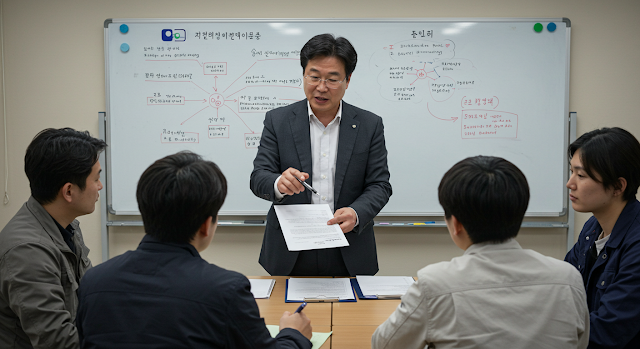
.jpg "Working in Korea as a Foreigner")
Rights of Undocumented Workers
Even undocumented workers have certain rights under Korean law. A Supreme Court ruling in 1995 clarified that an employment contract is not invalid simply because a worker is undocumented. This means that if an undocumented worker is injured on the job, they are generally eligible for industrial accident compensation. However, if discovered, they and their families may face deportation.
불법체류자도 한국 법률상 일정 권리를 가집니다. 1995년 대법원 판결에 따르면, 근로자가 불법체류자라는 이유만으로 근로계약이 무효가 되는 것은 아닙니다. 즉, 불법체류자가 일하다 다쳤을 때 산업재해보상보험의 혜택을 받을 수 있습니다. 하지만 적발될 경우 본인과 가족이 강제 출국될 수 있습니다.
Reporting Unpaid Wages
If a foreign worker is not paid, they can file a complaint with the Ministry of Employment and Labor or use the ministry’s online petition page. The ministry will investigate the case, and if the complaint is valid, it can order the employer to pay the unpaid wages. Employers who do not comply can face criminal penalties, including imprisonment or heavy fines. Workers also have the option to file a civil lawsuit within two years of leaving the job.
임금 체불이 발생하면 외국인 근로자는 고용노동부나 온라인 민원 페이지를 통해 신고할 수 있습니다. 고용노동부는 사건을 조사하고, 정당한 신고로 인정되면 사업주에게 임금 지급을 명령할 수 있습니다. 명령을 이행하지 않으면 사업주는 형사처벌을 받을 수 있습니다. 근로자는 퇴직 후 2년 이내에 민사소송도 제기할 수 있습니다.
Limitations and Exceptions
Not all workers are equally protected under Korean labor law. The Labor Standards Act does not apply to micro-businesses with fewer than five permanent employees or to domestic workers. Certain industries, such as agriculture, forestry, and surveillance, are also exempt from regulations on working hours and holidays. Freelancers, who are not recognized as “employees” under the law, may not be protected from workplace harassment or entitled to benefits like severance pay.
모든 근로자가 동일하게 보호받는 것은 아닙니다. 근로기준법은 5인 미만 사업장이나 가사근로자에게는 적용되지 않습니다. 농업, 임업, 감시직 등 일부 업종은 근로시간, 휴일 규정에서 제외됩니다. 법적으로 ‘근로자’로 인정되지 않는 프리랜서는 직장 내 괴롭힘이나 퇴직금 등에서 보호받지 못할 수 있습니다.
Practical Tips for Foreign Workers
Foreign workers should always ensure they have a written contract and are enrolled in all required insurance programs. If any issues arise, such as unpaid wages or workplace accidents, it is important to seek help from the Ministry of Employment and Labor or local support centers. Keeping records of employment and communications with employers can be crucial in resolving disputes.
외국인 근로자는 반드시 서면 계약서를 작성하고, 필요한 보험에 모두 가입되어 있는지 확인해야 합니다. 임금 체불이나 산업재해 등 문제가 발생하면 고용노동부나 지역 지원센터의 도움을 받는 것이 중요합니다. 고용주와의 근로 기록과 대화 내역을 잘 보관하는 것도 분쟁 해결에 큰 도움이 됩니다.
Conclusion: Knowledge is Power
Understanding Korean labor laws and knowing your rights is the best way to protect yourself as a foreign worker. While there are challenges and limitations, being informed and proactive can help you navigate the Korean workplace more safely and confidently.
한국의 노동법을 이해하고 자신의 권리를 아는 것이 외국인 근로자로서 자신을 보호하는 가장 좋은 방법입니다. 어려움과 한계가 있지만, 정보를 습득하고 적극적으로 대처하면 더 안전하고 자신감 있게 한국 직장 생활을 할 수 있습니다.