
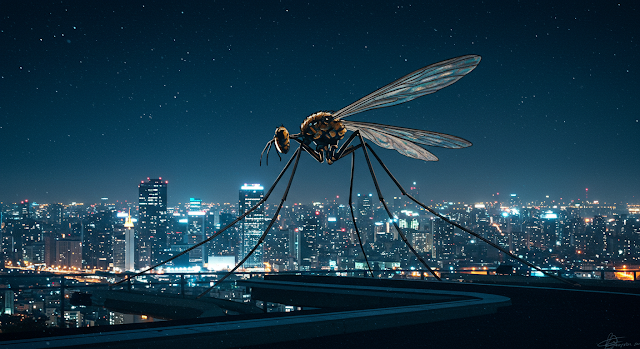
Introduction: Seoul’s Changing Summer Landscape
Seoul’s summers have become notorious for their extreme heat, but this transformation is bringing about unexpected changes in the city’s ecosystem. One of the most surprising effects is the dramatic decline in mosquito populations during the hottest months. This shift is not only altering daily life for residents but also reshaping the city’s approach to pest control and public health.
서울의 여름은 점점 더워지고 있으며, 이러한 변화는 도시 생태계에 예상치 못한 영향을 미치고 있다. 그중 가장 놀라운 변화 중 하나는 한여름 모기 개체 수가 급격히 감소하고 있다는 점이다. 이 변화는 시민들의 일상뿐 아니라 방역과 공중보건에 대한 도시의 접근 방식에도 영향을 주고 있다.
The Decline in Mosquito Populations: A Decade of Change
Over the past ten years, Seoul has witnessed its mosquito population drop by more than half. In June, monitoring devices collected around 62,351 mosquitoes—a 56% decrease compared to the same month a decade ago. Even compared to the previous year, the number is lower, reflecting a consistent downward trend.
지난 10년 동안 서울의 모기 개체 수는 절반 이상 줄어들었다. 6월에 모니터링 장치로 채집된 모기는 약 62,351마리로, 10년 전 같은 달과 비교해 56% 감소한 수치다. 전년도와 비교해도 더 낮은 수치로, 꾸준한 감소세를 보이고 있다.
.jpg "Why Seoul Summers Are Now Too Hot Even for Mosquitoes")
Record-Breaking Heat: The Main Culprit
The primary driver behind this phenomenon is Seoul’s record-breaking summer heat. Mosquitoes thrive at temperatures between 25°C and 28°C, but their survival rate drops sharply when temperatures exceed 32°C. With daytime highs frequently reaching close to 37°C and tropical nights becoming the norm, mosquitoes are finding it increasingly difficult to survive.
이 현상의 주된 원인은 서울의 기록적인 폭염이다. 모기는 25~28도에서 가장 활발하게 활동하지만, 32도를 넘어서면 생존율이 급격히 떨어진다. 최근에는 낮 기온이 37도에 육박하고 열대야가 지속되면서 모기들이 살아남기 점점 더 어려워지고 있다.
The Impact of a Shortened Monsoon Season
Another significant factor is the shortened and drier monsoon season. Traditionally, steady rainfall creates puddles that serve as breeding grounds for mosquitoes. However, the recent monsoon periods have been both shorter and less intense, with some regions experiencing only half the usual duration. When rain does fall, it often comes as sudden, heavy downpours that wash away mosquito eggs and larvae before they can develop.
또 다른 중요한 요인은 짧아진 장마철이다. 예전에는 꾸준한 비가 웅덩이를 만들어 모기의 번식지가 되었지만, 최근에는 장마 기간이 짧고 강수량도 적다. 비가 내릴 때도 갑작스러운 폭우로 인해 모기 알과 유충이 씻겨 내려가 번식이 어렵다.
.jpg "Why Seoul Summers Are Now Too Hot Even for Mosquitoes")
Advanced Pest Control Technologies
Seoul has also adopted advanced pest control technologies to manage mosquito populations. Drones are now used to spray insecticides in hard-to-reach areas like parks and riversides. LED traps, automatic repellent dispensers, and specialized mosquito traps have been installed throughout the city, making pest management more efficient and eco-friendly.
서울은 모기 개체 수를 관리하기 위해 첨단 방역 기술도 도입했다. 드론을 이용해 공원이나 하천 등 차량이 접근하기 힘든 곳에 살충제를 살포하고, LED 트랩, 자동 방충기, 특수 모기 트랩 등 다양한 장비를 설치해 방역의 효율성과 친환경성을 높이고 있다.
Seasonal Shifts: More Mosquitoes in Fall and Early Winter
While mosquito numbers are down in summer, experts warn that higher populations could appear in the fall and even early winter. As temperatures cool to more favorable levels for mosquito activity, their numbers can rebound, especially from September onward. This means residents may face increased mosquito activity later in the year, despite the summer decline.
여름에는 모기가 줄어들지만, 전문가들은 가을과 초겨울에 오히려 모기 개체 수가 늘어날 수 있다고 경고한다. 기온이 모기 활동에 적합한 수준으로 내려가면 9월부터 개체 수가 다시 증가할 수 있다. 즉, 여름철 감소에도 불구하고 연말에는 모기 활동이 더 활발해질 수 있다는 의미다.
.jpg "Why Seoul Summers Are Now Too Hot Even for Mosquitoes")
The Role of Urban Environment and Climate Change
Urbanization and climate change are accelerating these trends. The heat island effect in cities like Seoul exacerbates temperature extremes, while unpredictable rainfall patterns further disrupt mosquito breeding cycles. These changes highlight the need for adaptive strategies in urban pest management and public health planning.
도시화와 기후 변화도 이러한 현상을 가속화하고 있다. 서울과 같은 대도시의 열섬 현상은 극심한 온도 변화를 유발하고, 예측 불가능한 강수 패턴은 모기 번식 주기를 더욱 혼란스럽게 만든다. 이러한 변화는 도시 방역과 공중보건 계획에 적응적 전략이 필요함을 보여준다.
What Residents Can Expect and How to Prepare
Residents should be aware that while summer mosquito bites may decrease, vigilance is still needed in the fall. Keeping homes dry, eliminating standing water, and using repellents remain effective ways to minimize mosquito problems. Staying informed about city pest control programs can also help residents protect themselves and their families.
시민들은 여름철 모기 피해가 줄어들더라도 가을에 대비해야 한다. 집안을 건조하게 유지하고, 고인 물을 제거하며, 방충제를 사용하는 것이 모기 문제를 줄이는 데 효과적이다. 시에서 시행하는 방역 프로그램에 관심을 갖는 것도 가족과 자신을 보호하는 데 도움이 된다.
.jpg "Why Seoul Summers Are Now Too Hot Even for Mosquitoes")
Conclusion: Adapting to a New Summer Reality
Seoul’s battle with mosquitoes is evolving as the city’s climate changes. While extreme heat brings some relief from summer pests, it also creates new challenges for public health. By understanding these trends and adapting strategies, both the city and its residents can better prepare for the shifting patterns of mosquito activity.
서울의 모기와의 전쟁은 기후 변화에 따라 진화하고 있다. 극심한 더위가 여름 해충을 줄여주기도 하지만, 동시에 새로운 공중보건 과제를 만들어낸다. 이러한 변화를 이해하고 전략을 조정함으로써, 도시와 시민 모두 변화하는 모기 활동에 더 잘 대비할 수 있다.