
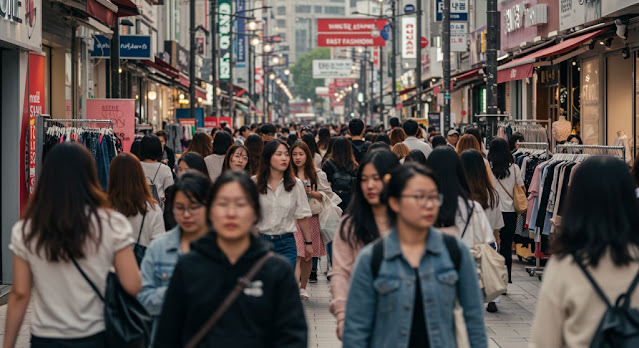
A Threat to Korea’s Fashion Market
The Rise of Chinese Apparel in Korea
In recent years, Korea has experienced an unprecedented influx of low-cost clothing originating from China. Imports have surged, with Korea bringing in billions of dollars’ worth of apparel from China, marking a significant increase compared to previous years. This rapid escalation can be attributed to the strong demand for affordable and trendy fashion products, prompting Korean importers and consumers alike to turn their eyes towards overseas platforms.
최근 몇 년 사이에 한국에서는 중국산 저가 의류가 유례없이 대량으로 유입되고 있습니다. 수입 규모는 수년 전과 비교할 수 없을 정도로 커졌으며, 의류 수입액이 수십억 달러에 달하고 있습니다. 이러한 급증은 저렴하면서도 최신 트렌드에 맞는 패션 제품에 대한 수요가 높아진 결과로, 국내 수입업자들과 소비자들이 해외 플랫폼에 눈을 돌리게 된 배경입니다.
The Practice of Label Switching
With the growth in Chinese apparel imports, a deceptive practice called “label switching” has emerged as a major problem. Many garments arrive in Korea with “Made in China” tags, but these are frequently changed before reaching Korean consumers. Sellers switch tags and even alter shipping documents to disguise the actual country of origin, misleading buyers into believing the products are manufactured in Korea.
중국산 의류 수입이 급증하면서 ‘라벨 갈이’라는 불법 행위가 심각한 문제로 등장했습니다. 수많은 의류가 ‘중국산’ 라벨을 달고 들어오지만, 국내 소비자에게 도달하기 전에 이 라벨이 교체되는 경우가 흔합니다. 판매자들은 제품의 진짜 원산지를 속이기 위해 라벨뿐만 아니라 포장지와 송장까지 조작합니다. 이로 인해 소비자들은 자신이 한국산 제품을 구매한다고 오해하게 됩니다.
.webp "A Threat to Korea’s Fashion Market")
Enforcement and Scale of the Problem
Authorities have ramped up enforcement. In the first half of 2025 alone, over 3 million illegally distributed goods were seized in Korea, with more than half flagged for false or missing origin labels. Most of these were Chinese clothing items falsely repackaged as Korean-made. The scale of these operations highlights the extent to which profit-seeking sellers are exploiting loopholes in the system.
당국은 단속을 강화하고 있습니다. 2025년 상반기 동안에만 3백만 점이 넘는 불법 유통 상품이 적발되었으며, 이 중 절반 이상이 원산지 허위 또는 미표기로 분류되었습니다. 대부분은 중국 의류를 한국산으로 둔갑시킨 사례입니다. 이처럼 대규모로 이뤄지는 것은 일부 판매자들이 시스템의 허점을 노려 큰 이익을 취하려 하기 때문입니다.
Price and Resale Strategies
Korean sellers frequently source these Chinese clothes for under $2 per item from platforms like Temu and AliExpress. They then resell them on local e-commerce sites or through social media at prices up to ten times higher, often marketing them with vague but appealing claims such as “premium local fabric”. Consumers are tricked into believing they are buying high-quality Korean-made fashion.
한국 판매자들은 대개 이 의류를 Temu, AliExpress와 같은 플랫폼에서 개당 2달러 미만의 가격에 매입합니다. 이후 국내 이커머스 사이트나 소셜 미디어 등에서 최대 10배의 가격으로 다시 판매하며, ‘프리미엄 현지 원단’과 같이 모호하지만 매력적으로 들리는 문구로 홍보합니다. 이로 인해 소비자들은 자신이 고품질의 한국산 패션을 샀다고 착각하게 됩니다.
.webp "A Threat to Korea’s Fashion Market")
Impact of Fast Fashion Giants
Recently, the rapid rise of Chinese fast fashion platforms—most notably Shein—has further fueled this trend. Shein’s presence in the Korean market has skyrocketed, with its monthly active users now numbering in the millions. It has become a dominant player in Korea’s online fashion landscape, ranking among the top e-commerce apps. This expansion is driving even more competition and challenging domestic fashion businesses.
최근에는 특히 Shein과 같은 중국의 초저가 패션 플랫폼의 급성장이 이러한 현상을 더욱 가속화시키고 있습니다. Shein은 국내 시장에서 사용자 수가 수백만 명을 기록하며 온라인 패션 분야의 주요 업체로 떠올랐습니다. 이처럼 영향력이 커지면서 자국 패션 산업과의 경쟁이 더욱 치열해지고 있습니다.
Consumer Risks and Mismarketing
This wave of relabeled imports and aggressive marketing practices poses significant risks for consumers. Many buyers—attracted by attractive prices and “local” branding—may unknowingly purchase inferior products. Products labeled as premium Korean fashion are often cheaply made imports with low-quality materials or workmanship, damaging consumer trust in Korea’s fashion market.
이러한 라벨 갈이와 과장된 마케팅은 소비자에게 큰 리스크로 작용합니다. 많은 구매자들이 저렴한 가격이나 ‘국산’ 홍보에 이끌려 무심코 품질이 떨어지는 상품을 구입하게 됩니다. 프리미엄 한국 패션으로 포장된 제품들은 사실상 저가의 수입품인 경우가 많아, 신뢰를 훼손하는 결과를 낳고 있습니다.
.webp "A Threat to Korea’s Fashion Market")
Government Crackdown and Future Outlook
The Korean government has responded with stricter inspections and new enforcement teams to address fake labeling and protect both consumers and legitimate domestic brands. Ongoing customs crackdowns, increased cooperation with foreign authorities, and public awareness campaigns are anticipated to continue throughout the year. Only by strengthening vigilance can Korea maintain the integrity of its fashion market against the tide of counterfeit and relabeled imports.
정부는 가짜 라벨 문제를 해결하기 위해 단속을 한층 더 강화하고, 소비자와 국내 기업 보호를 위해 새로운 대응팀도 신설했습니다. 앞으로도 세관 단속은 물론, 외국 기관과의 협력과 대국민 홍보가 지속적으로 이어질 전망입니다. 가짜 및 둔갑 수입품의 홍수 속에서 국내 패션 시장의 신뢰를 지키기 위해서는 더욱 강력한 감시가 필요합니다.
The Future of the Korean Fashion Landscape
While demand for affordable fashion will likely remain strong, the battle between fast fashion imports and domestic authenticity will shape the future of Korea’s apparel industry. Consumer awareness, transparent supply chains, and honest marketing will be essential to ensuring Korea’s fashion market remains reputable and sustainable.
저렴한 패션에 대한 수요가 앞으로도 꾸준할 것으로 전망되는 가운데, 초저가 수입 패션과 국내산 진정성이 경쟁하는 구도가 업계의 미래를 좌우하게 될 것입니다. 소비자 인식 제고, 공급망의 투명성, 정직한 마케팅이 한국 패션 시장의 명성과 지속가능성을 지키기 위한 핵심입니다.
.webp "A Threat to Korea’s Fashion Market")