
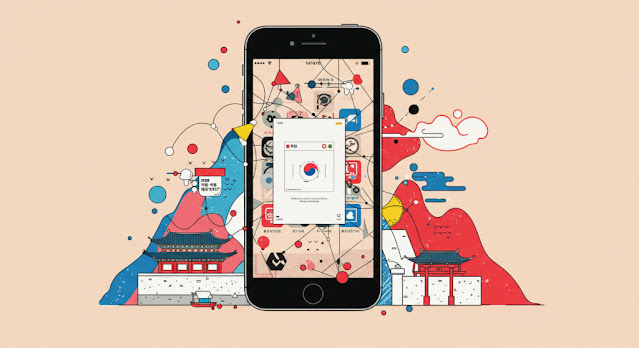
How Long-Awaited Features Completed the Experience
Why Did iPhone Feel Incomplete in Korea?
For over a decade, iPhone users in Korea often joked that key features like Apple Pay, call recording, and transit card support would only arrive after unification with North Korea—a humorous way of expressing just how distant these updates felt. While users around the world enjoyed the seamless Apple ecosystem, Korean consumers frequently found themselves making compromises: they carried extra cards, missed convenient functions, and sometimes faced embarrassment when their smartphones couldn’t handle everyday tasks expected in Korea.
한국의 아이폰 사용자들은 오랜 기간 동안 애플 페이, 통화 녹음, 교통카드 지원 같은 필수 기능들이 너무 늦게 추가되는 것에 대해 농담처럼 이야기를 나눴습니다. 해외에서는 쉽게 누리는 애플 생태계의 편리함이, 한국에서는 일상에서 빈번히 필요한 기능들이 부족해 아쉽게 느껴졌습니다. 이러한 불편함 때문에 아이폰 유저들은 타인과 비교해 약간의 불편함을 감수해야 했고, 가끔은 당혹감을 느끼기도 했습니다.
The Importance of Everyday Features for Korean Users
In Korea’s fast-paced society, business and daily life are inseparable from mobile technology. Samsung users could use MST-based Samsung Pay almost anywhere, tap into buses and subways with integrated transit cards, and record calls with a single tap—a necessity in a work culture where verbal agreements are common and call recording is considered practical, not intrusive. Apple, sticking to its global privacy policies and closed system, delayed adding these capabilities for years.
한국 사회에서 비즈니스와 일상 생활은 모바일 기술과 깊이 연관되어 있습니다. 삼성 사용자들은 대부분의 매장과 대중교통에서 간편하게 결제와 탑승이 가능했고, 직업상 필요한 통화 녹음도 쉽게 할 수 있었습니다. 그러나 애플은 글로벌 정책에 따라 이러한 기능을 오랜 기간 제공하지 않아, 아이폰 사용자들은 번거롭게 물리적 카드를 들고 다니거나, 중요한 내용을 기억해야 하는 등 불편함을 겪었습니다.
.webp "The Final Evolution of iPhone in Korea")
Apple Pay, Transit, and Call Recording: A Timeline of Delays
Apple Pay, for instance, only launched in Korea in 2023—nearly a decade after its global rollout, with limited card compatibility and restricted merchant support. Call recording long remained impossible on iPhone, frustrating professionals and ordinary users alike. Transit card functionality, finally introduced in July 2025, marked the last major milestone in closing the functionality gap between iPhones and their Galaxy counterparts in Korea.
애플 페이는 글로벌 출시 이후 무려 9년 만에, 2023년에야 한국에서 도입되었으며, 카드 호환성과 사용처에 많은 제약이 있었습니다. 통화 녹음 기능 또한 정책적 제약으로 인해 오랫동안 지원되지 않았고, 이 때문에 여러 직업군에서 아이폰을 사용하는 데 실질적인 어려움이 있었죠. 교통카드 지원마저 2025년에야 완전히 적용되면서, 비로소 한국의 아이폰은 주요 기능을 모두 갖추게 되었습니다.
Diverse Reactions: Not Everyone Saw the iPhone as “Half-Baked”
Interestingly, not every iPhone user considered the device incomplete. Many, especially younger users and women, valued the design, brand, and ecosystem integration over payments or call features. For this group, carrying a wallet or making do without certain local conveniences felt natural, and they took pride in the seamless integration between their devices.
그렇지만 모든 아이폰 사용자가 기능 부족에 불만을 갖진 않았습니다. 특히 젊은 여성 사용자들은 디자인과 브랜드, 그리고 맥북이나 아이패드와의 연동 같은 생태계의 이점을 더 중요하게 여겼습니다. 이들은 지갑을 따로 소지하거나, 일부 지역 기능을 사용하지 않는 것이 불편이 아니라고 느꼈으며, 각자의 방식으로 아이폰을 즐겼습니다.
.webp "The Final Evolution of iPhone in Korea")
The Journey to Completion: How Communities Refused to Settle
Online communities became a rallying point for those frustrated by missing features. Users shared workarounds, vented about limitations, and celebrated each rare update. For these passionate fans, every new Korean-centric addition—be it Apple Pay, call recording via third-party apps, or eventually transit support—felt not just like a technological step but cultural validation.
기능 부족에 아쉬움을 겪은 사용자들은 온라인 커뮤니티에서 대안을 공유하고, 불편함을 토로하며, 새로운 기능이 추가될 때마다 진심으로 기뻐했습니다. 이들에게 각종 기능의 도입은 단순한 업데이트가 아닌, 오랜 기다림 끝에 이루어진 문화적 인정처럼 느껴졌습니다.
Is the iPhone’s Korean Story Now “Complete”?
With the rollout of transit card support in mid-2025, the idea of the “half-baked iPhone” in Korea has mostly faded. Yet, this has not led to a massive switch from Galaxy to iPhone; market share remains relatively stable, with Samsung firmly dominant. For many, these updates simply make life easier—less about revolution, more about resolution.
2025년 교통카드 기능까지 더해지면서, 한국에서 ‘미완성 아이폰’이라는 이야기는 이제 거의 사라졌습니다. 그러나 지배적인 삼성의 점유율은 변함이 없었고, 새로운 기능들은 단지 기존 아이폰 사용자들의 불편을 해소해 준 정도에 머물렀습니다. 대다수에게는 혁신이라기보다, 일상의 작은 만족으로 다가왔습니다.
.webp "The Final Evolution of iPhone in Korea")
Conclusion: An iPhone Experience Finally Tailored for Korea
The iPhone in Korea was once a device full of potential yet hampered by missing essentials. After years of incremental updates and persistent user advocacy, it has finally arrived as a complete offering for the Korean market. Whether this “completion” excites existing users or merely provides quiet satisfaction, one thing is clear: the iPhone journey in Korea is now truly its own story.
한국에서의 아이폰은 오랫동안 가능성은 크지만, 필수적인 부분이 부족한 기기로 남아 있었습니다. 그러나 오랜 기간에 걸친 사용자 요구와 꾸준한 기능 개선 끝에, 이제야 비로소 한국 특유의 스마트폰 시장에 맞는 완성형으로 자리잡았습니다. 이러한 변화가 사용자들의 기대를 충족시키든, 조용한 만족을 주든, 한국 아이폰의 여정은 이제 비로소 완결된 이야기라고 할 수 있습니다.